
Digital literacy in Nigeria is no longer a luxury, it’s a national priority.
The National Information Technology Development Agency (NITDA) has reaffirmed the country’s commitment to achieving 95% digital literacy by 2030, with a stepping stone of 70% by 2027.
This isn’t just a numbers game. It’s a core part of Nigeria’s strategy to grow a future-ready economy built on inclusivity, and empowered citizens.
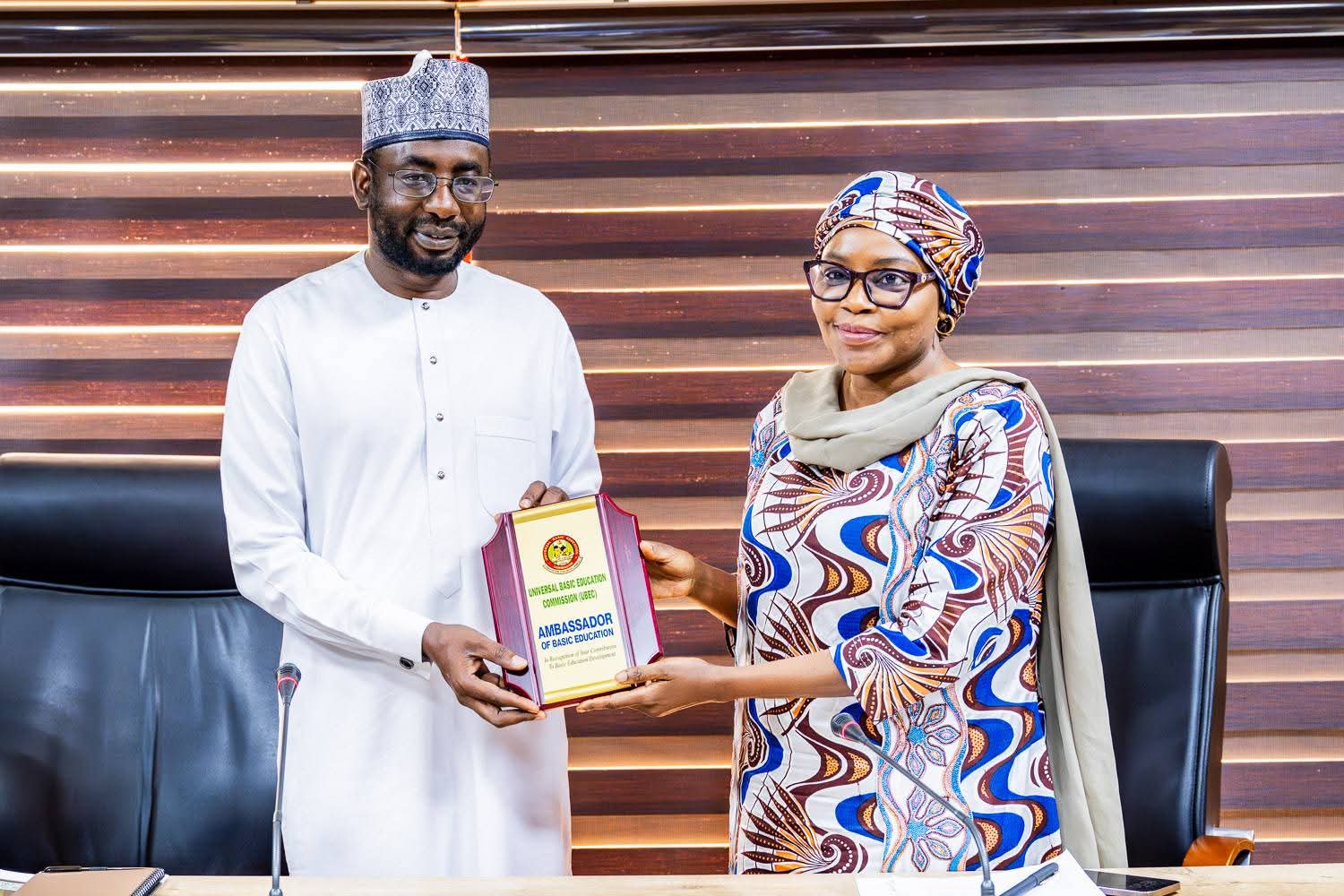
At a stakeholder meeting hosted by the Universal Basic Education Commission (UBEC), NITDA’s Director General, Kashifu Inuwa, laid it out plainly:
“We’re moving from policy talk to purposeful action.”
He tied this initiative directly to President Bola Ahmed Tinubu’s 8-point agenda, especially the push for digitisation, industrialisation, creative arts, and innovation.
The message was that without digital skills, there is no digital economy.
*The National Digital Literacy Framework: A Real Plan, Not Just Policy*
To reach these ambitious goals, NITDA isn’t guessing, it’s using a blueprint called the National Digital Literacy Framework (NDLF), built with global best practices in mind and tailored for Nigeria’s realities.
This framework is designed to guide every Nigerian, whether you’re a student in Bauchi or a professional in Lagos, through six key digital skills:
Device and software operation
Information and data literacy
Communication and collaboration
Digital content creation
Online safety
Problem-solving in digital contexts
It covers everything from the basics to advanced digital fluency.
*Where We Are and Where We’re Headed*
Current estimates place Nigeria’s digital literacy rate at around 50%, up from 44% in 2021, according to World Bank data.
But there’s still a long road ahead.
That’s why NITDA is working closely with education stakeholders like the Nigerian Educational Research and Development Council (NERDC), the Federal Ministry of Education, and the National Universities Commission (NUC) to embed digital skills directly into Nigeria’s formal school curriculum.
Powering Classrooms with AI and Global Tools
It’s not just about curriculum, it’s also about tools.
NITDA is partnering with global platforms like Coursera to train teachers using AI-powered lesson planning tools. This means scalable digital education, accessible from anywhere.
From primary schools to universities, the goal is the same: equip Nigerians with the skills to thrive in a digital world.
To bring the vision to life, UBEC’s Executive Secretary HHajiya Aisha Garba pledged full support.
She pointed out some practical hurdles; overloaded curricula, undertrained teachers, and poor infrastructure but also but also offered concrete solutions.
UBEC and SUBEB will lead efforts to equip schools with computers and solar-powered systems to make digital learning possible, especially in underserved communities.
*Not Just Policy, A Nationwide Commitment*
To ensure all this doesn’t end at press briefings, both agencies agreed to form a joint inter-agency committee.
This taskforce will create a strategic rollout plan, turning high-level frameworks into ground-level results.
From digital classrooms to teacher training, AI integration to solar-powered school tech, Nigeria is setting the stage for a future that’s smart, inclusive, and connected.