
In an era where national problems are often blamed on “the government,” the Director General of the National Information Technology Development Agency (NITDA), Kashifu Inuwa Abdullahi, is flipping the script.
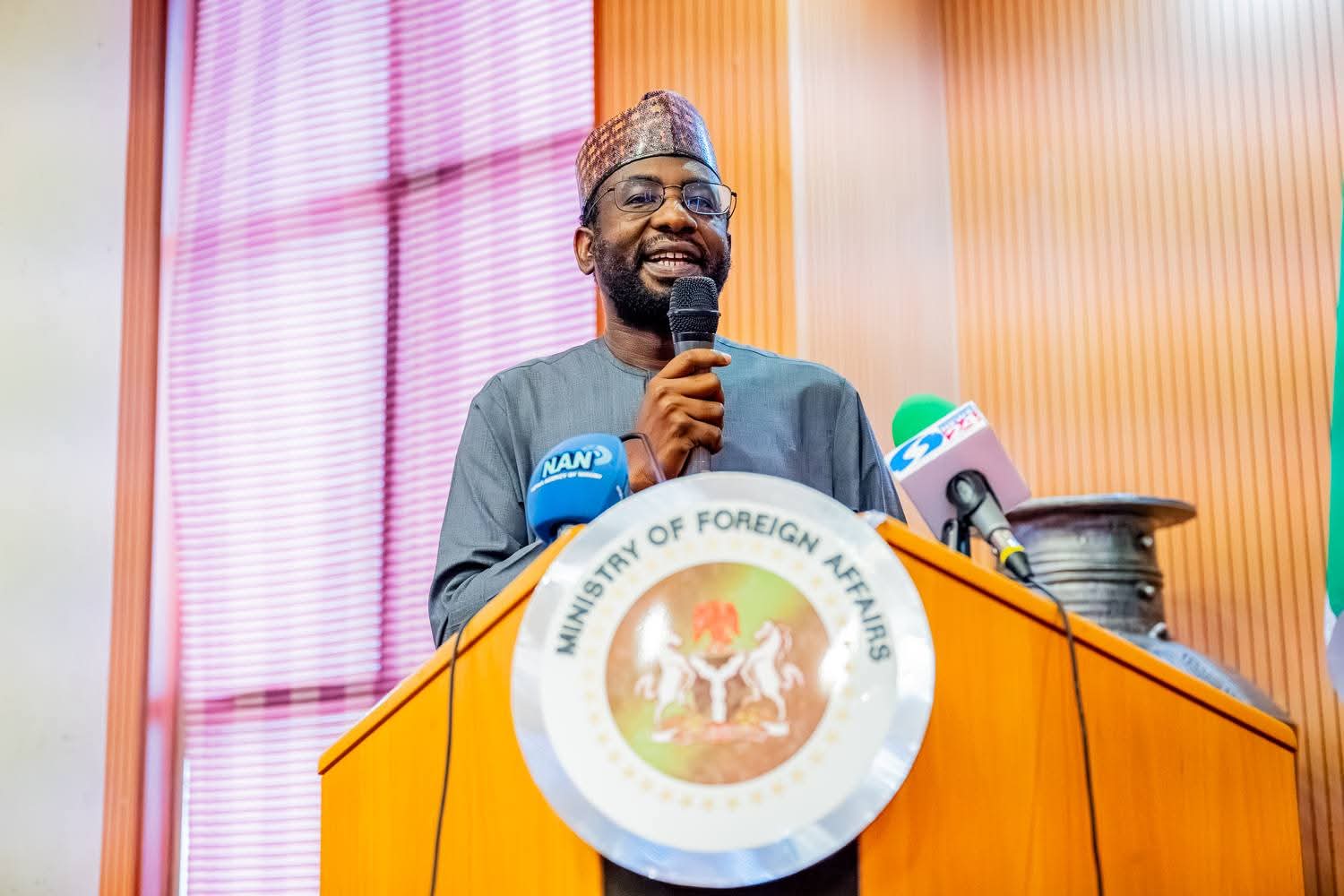
At the 1st Civil Society Summit on Civil Democracy and National Development in Abuja, Inuwa issued a bold call: civil society must move from spectatorship to co-creation.
His message is stop pointing fingers, start building with us.
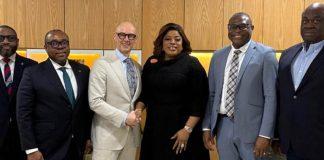
Speaking at the Federal Ministry of Foreign Affairs’ Rotunda Conference Hall, Inuwa emphasized that Nigeria’s path to sustainable growth and national reform requires a joint effort between citizens, civil society organisations (CSOs), and the government, not isolated hustle.
“There are things the government can do that civil society cannot, and vice versa. But together, we can achieve greater things,” he said, capturing the summit’s core theme: shared responsibility.
This call aligns with President Bola Ahmed Tinubu’s Renewed Hope Agenda, which outlines eight priority pillars ranging from economic reform and national security to agricultural transformation and technological innovation.
But Inuwa made it clear, these ambitions won’t achieve themselves.
“What matters is continuity of vision and the collective will to implement it regardless of who is in power,” he said.
What made Inuwa’s message particularly striking was his advocacy for emerging technologies, especially artificial intelligence (AI), as tools for real-time citizen engagement, productivity, and policy development.
He revealed NITDA’s current collaboration with the Federal Ministry of Youth Development on a digital engagement platform powered by AI, aimed at giving Nigeria’s youth a louder voice in shaping impactful policies.
“Nigeria doesn’t lack ideas. What we need are tools and the will to implement them on time,” he stressed.
But it wasn’t all tech talk. Inuwa delved deeper into something more human: trust. He noted that much of the mistrust between citizens and the government stems not from malice, but silence.
“We must build trust through interaction. If we agree on the vision, then we must work together to make it a reality. That’s how we win the battle today and make Nigeria great,” he concluded.
The summit wasn’t just another government event. It became a clarion call for civil society to stop critiquing from the sidelines and start co-driving national transformation.
Ultimately, the future of Nigeria is not a solo project, it’s a collaboration.