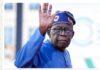

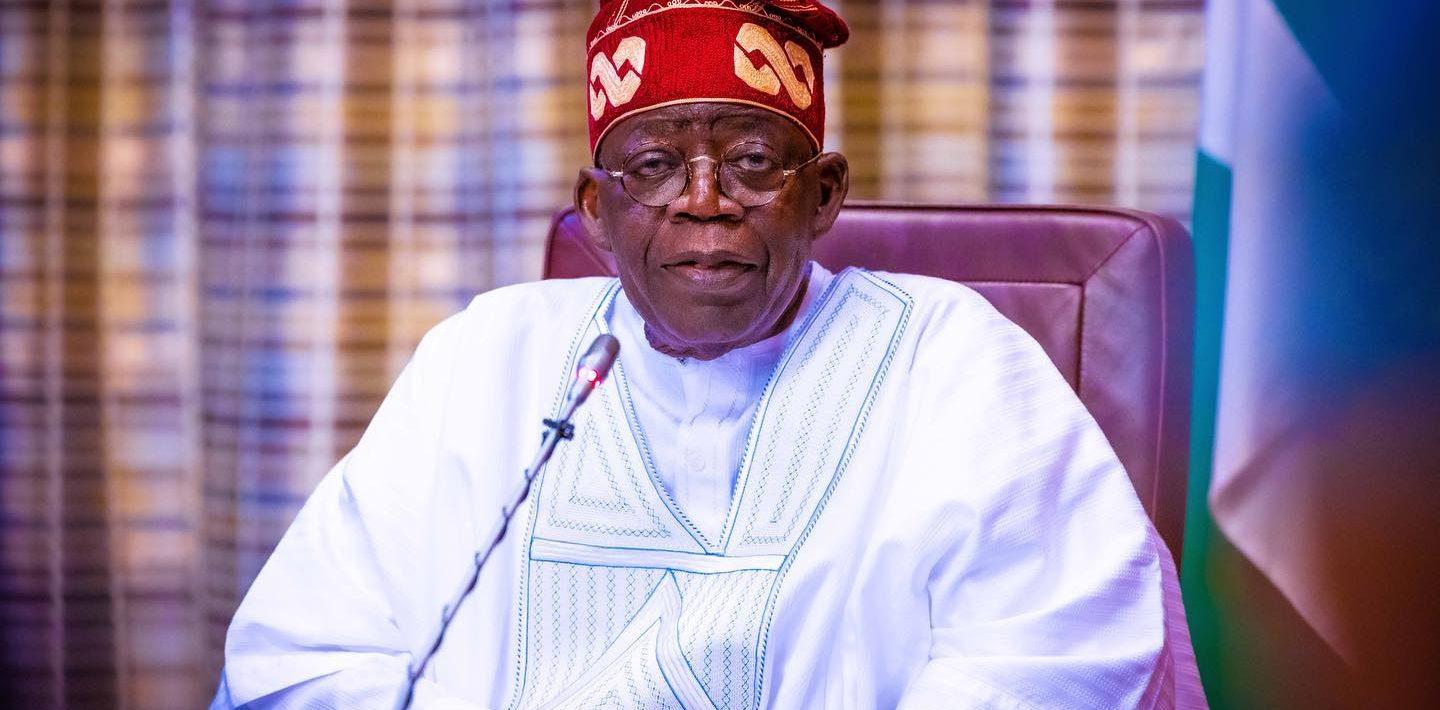
The Presidency says Nigeria is beginning to reap tangible benefits from the series of economic reforms introduced by President Bola Tinubu.
According to the Special Adviser to the President on Media and Public Communication, Sunday Dare, the reforms have pulled the nation back from what he described as an “economic breaking point” and are now driving measurable progress across critical sectors.
In a statement on his official X handle on Thursday, Dare explained that the initiatives have touched key areas such as trade, foreign reserves, taxation, debt servicing, fuel subsidy removal, budget management, and overall fiscal discipline.
Trade and Foreign Exchange
Before May 2023, Nigeria was trapped in persistent trade deficits, importing far more than it exported. Dare noted that reforms have reversed this trend, with the country now recording trade surpluses that ease pressure on external accounts. He also highlighted the unification of multiple exchange rate windows, which has reduced market distortions and narrowed the gap between official and parallel markets.
Foreign Reserves and Debt
Dare recalled that early in 2023, unmet FX demand stood at $7 billion while net reserves had fallen below $4 billion. He said reforms have cleared FX backlogs, rebuilt reserves to over $23 billion, and restored investor confidence. On debt, he noted that while 97 percent of government revenue once went into debt servicing, reforms have brought that figure down to below 50 percent, alongside an improved tax-to-GDP ratio of over 15 percent.
Fuel Subsidy and Budget Reforms
Calling the removal of fuel subsidy a “turning point,” Dare argued that the policy shift freed up funds for critical investments while guaranteeing steady fuel supply and improved FAAC allocations to states. On budgetary reforms, he explained that rising deficits and low capital expenditure have now given way to shrinking deficits and increased infrastructure spending.
Fiscal Discipline and Oil Sector Recovery
Dare stressed that reforms have curtailed unsustainable borrowing from the Central Bank, while tighter fiscal discipline is now in place. He added that renewed security efforts and reforms in the oil and gas sector have lifted production, reviving Nigeria’s most crucial revenue source.
Investment Climate and Inflation
On investment, Dare said Nigeria has moved away from opaque and inconsistent policies that scared away capital. Today, he noted, reforms have created a more predictable environment that attracts inflows and even earned sovereign rating upgrades. While inflation remains high, he said, it has begun to moderate, and interest rates are stabilising.
Poverty and Job Creation
Dare admitted that poverty and unemployment remain pressing issues but argued that reforms are creating deliberate pathways for improvement, through infrastructure investments and policies designed to open new opportunities for decent work.
Public Financial Management
He concluded that Tinubu’s reforms have strengthened fiscal coordination, improved transparency, and disciplined public financial management. Without them, Dare warned, Nigeria would have faced collapsing reserves, hyperinflation, ballooning debt, and possible economic collapse.