
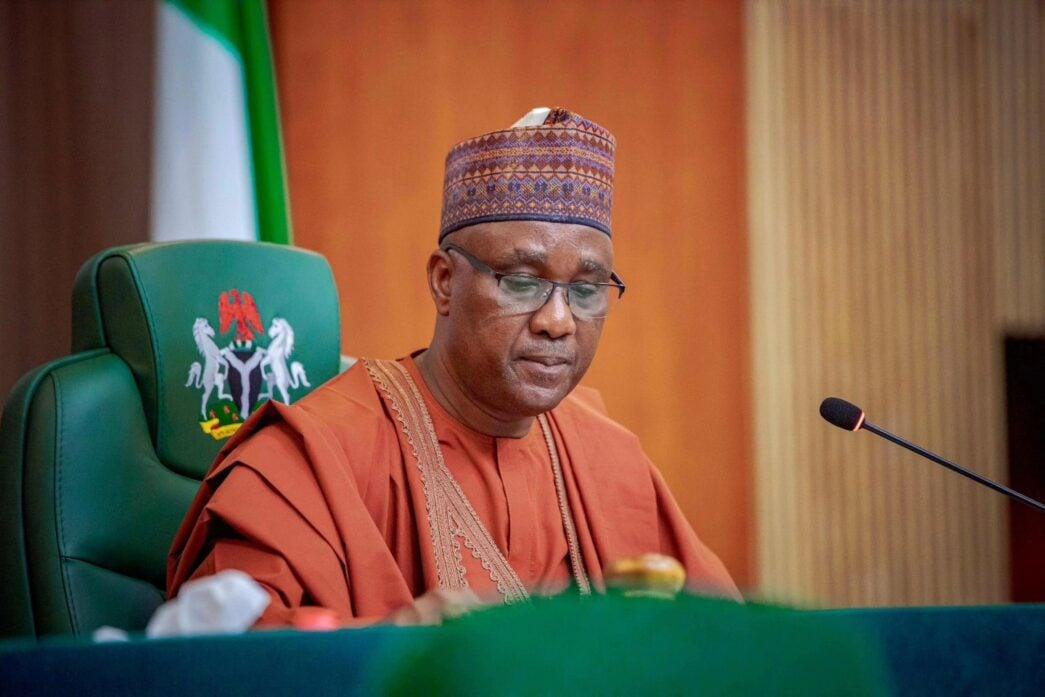
The Speaker of the House of Representatives, Tajudeen Abbas, has inaugurated an Ad hoc Committee to investigate the mismanagement of funds released by the Federal Government for the clean-up of oil spillage in the Niger Delta.
In his remark at the ceremony on Friday in Abuja, the speaker expressed confidence that the committee would deliver a fair, just, and balanced report.
Abbas, who was represented by a lawmaker from Gombe, Bello Kumo, stressed that a thorough investigation was required to enable the House to proffer solutions to issues of oil spillage in the Niger Delta.
He said: “We must understand the causes of the mismanagement, we must understand what was involved in the entire funds dedicated for the clean-up, we have to find out the capacity of the managers that were put in place by the government to manage the funds for the clean-up.
“We have to understand if there was accountability in the whole process of the management of the clean-up funds; if we can understand these, then we can proffer a solution.”
In his remarks, the Chairman of the committee, Okpolupm Etteh, said the people of the Niger Delta had faced years of environmental degradation and untold damage due to oil exploration and frequent spills.
According to him, various government agencies have been created or assigned the responsibility of conducting environmental remediation and clean-up operations in response.
He said: “Unfortunately, troubling reports of alleged mismanagement, inefficiency, and poor coordination have overshadowed these initiatives.
“Similarly, this house has also received reports that funds allocated for clean-up efforts have not produced the anticipated outcomes, leaving communities still affected, livelihoods in jeopardy, and public trust diminished.
“Our committee has been assigned the critical task of uncovering the truth, evaluating the effectiveness of interventions, and proposing reforms for sustainable solutions.
“Our objectives are clear. We will investigate the utilsation of funds designated for environmental remediation, review the actual execution of clean-up projects, identify deficiencies in the institutional framework, and engage with all relevant stakeholders, including host communities, experts, and civil society.
“Most importantly, we will recommend specific actions to enhance performance and rebuild public trust.”