

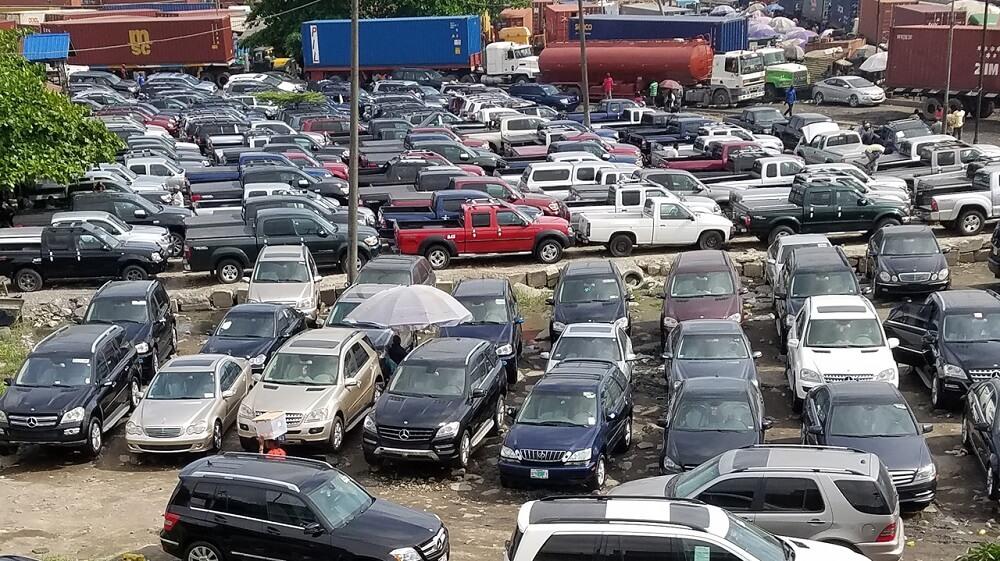
The Lagos State Government has announced plans to roll out a regulated parking system across the state beginning in 2026, marking a major shift in how vehicles are parked and managed in Africa’s most congested city.
The initiative, to be implemented by the Lagos State Parking Authority (LASPA), is part of the state’s broader strategy to reduce traffic gridlock, restore order on major roads, and promote responsible parking behaviour among motorists.
Indiscriminate roadside parking remains a major cause of traffic congestion in Lagos, particularly in busy areas like Ikeja, Victoria Island, and Lekki.
According to the General Manager of LASPA, Adebisi Adelabu, the new policy aims to introduce structured and well-managed parking zones that will improve accessibility, safety, and discipline on Lagos roads.
“This is definitely going to be a game-changer,” Adelabu said at the agency’s 2025 retreat on Friday.
She explained that the system will make Lagosians “think of parking before they leave their homes,” and encourage planning ahead rather than relying on chaotic roadside stops.
The new system will be phased, starting in Ikoyi, Ikeja, Victoria Island, and parts of Lekki, areas where LASPA has already begun installing signage and preparing designated parking spots.
Under the policy:
- Each street or area will have a clearly displayed rate per hour, two hours, or three hours.
- Drivers will be expected to pay these fees digitally.
- Vehicles cannot remain in one spot indefinitely; there will be time limits (often three hours) to prevent people from turning public roads into private car parks.
Adelabu stressed that the goal is not just revenue generation, but regulation and social change.
“Some people are happy to pay for a whole day, but we’re saying you must move your car every three hours to keep traffic flowing,” she said.
Lagos intends to make the system fully digital, adopting a “pay-by-plate” technology. This is a global best practice in urban parking management.
This means that once the system is live:
- Drivers can pay electronically through their mobile devices.
- Physical enforcement will gradually be reduced.
- Defaulters could receive electronic notifications such as email or text messages with fines or tickets.
However, Adelabu explained that before pay-by-plate can work, the state must first collect and analyse parking data to determine usage patterns and demand across Lagos.
Officials say the regulated parking system could yield multiple benefits, including:
- Reduced traffic congestion on major roads.
- Improved mobility and accessibility for road users.
- Increased government revenue through transparent digital systems.
- Cleaner, more sustainable urban spaces that discourage random parking and idling.
Adelabu also noted that it would create “a more data-driven approach” to traffic management and help LASPA build a foundation for smart city transport solutions.
Commissioner for Transportation, Oluwaseun Osiyemi, said the initiative ties into Lagos’ long-term traffic management strategy.
“Parking inefficiencies exacerbate traffic, increase emissions, and limit mobility. Regulated parking is not just a convenience measure, it’s an economic and environmental necessity,” he said.
Osiyemi emphasised that the project could unlock productivity gains for residents and businesses by improving travel times, reducing stress, and cutting fuel waste.
- Gradual rollout beginning in high-traffic business districts.
- Digital signage showing approved parking zones and fees.
- Strict enforcement and potential penalties for illegal parking.
- Public awareness campaigns ahead of the 2026 launch.
After nearly two years of stakeholder engagement and advocacy, LASPA says Lagosians should now “prepare for implementation.”
“This time,” Adelabu concluded, “we’re showing that we mean business.”