

By Joy Onuorah
If Africa wants to shape its own digital destiny, it needs more than enthusiasm, it needs compute capacity.
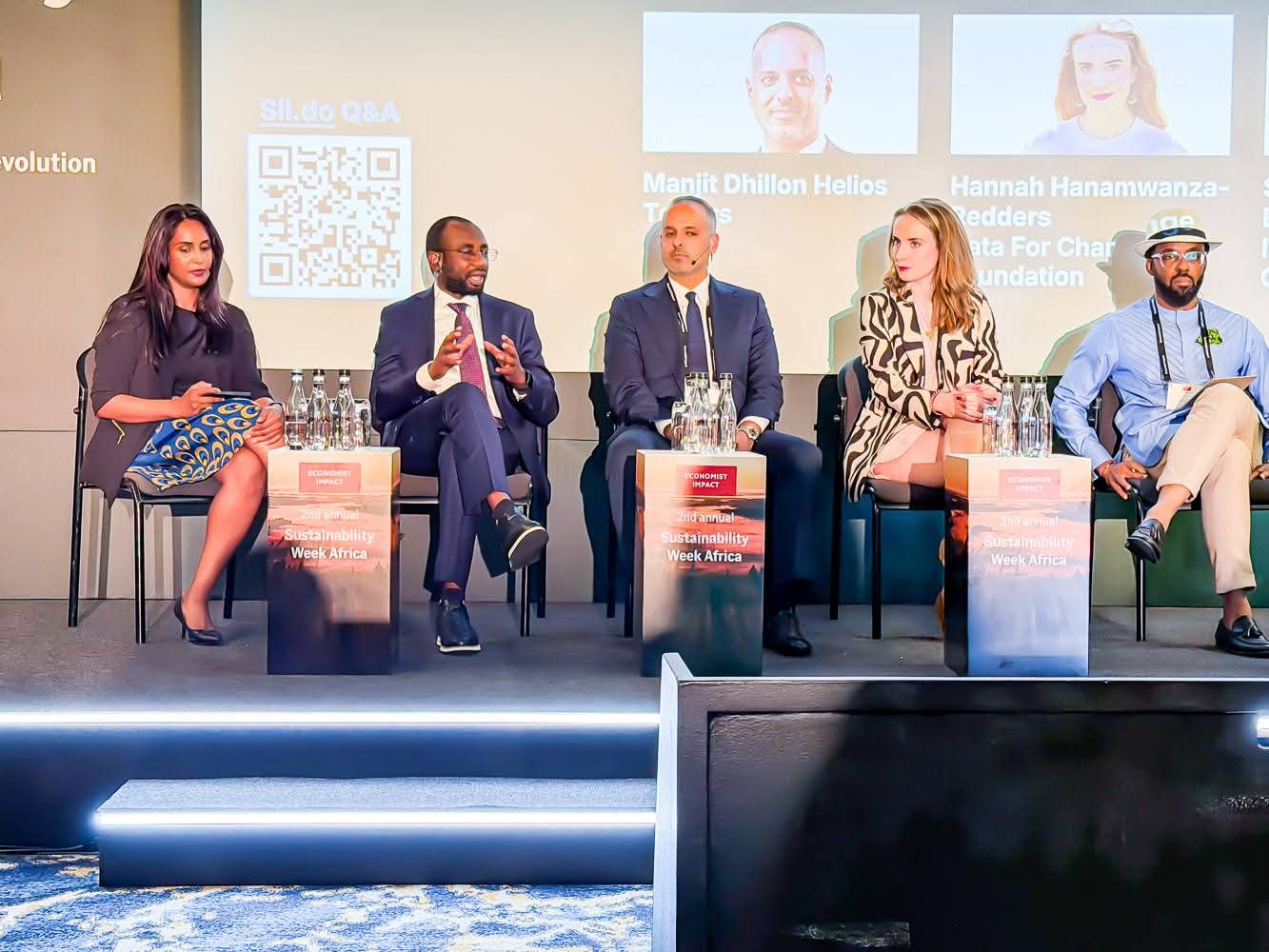
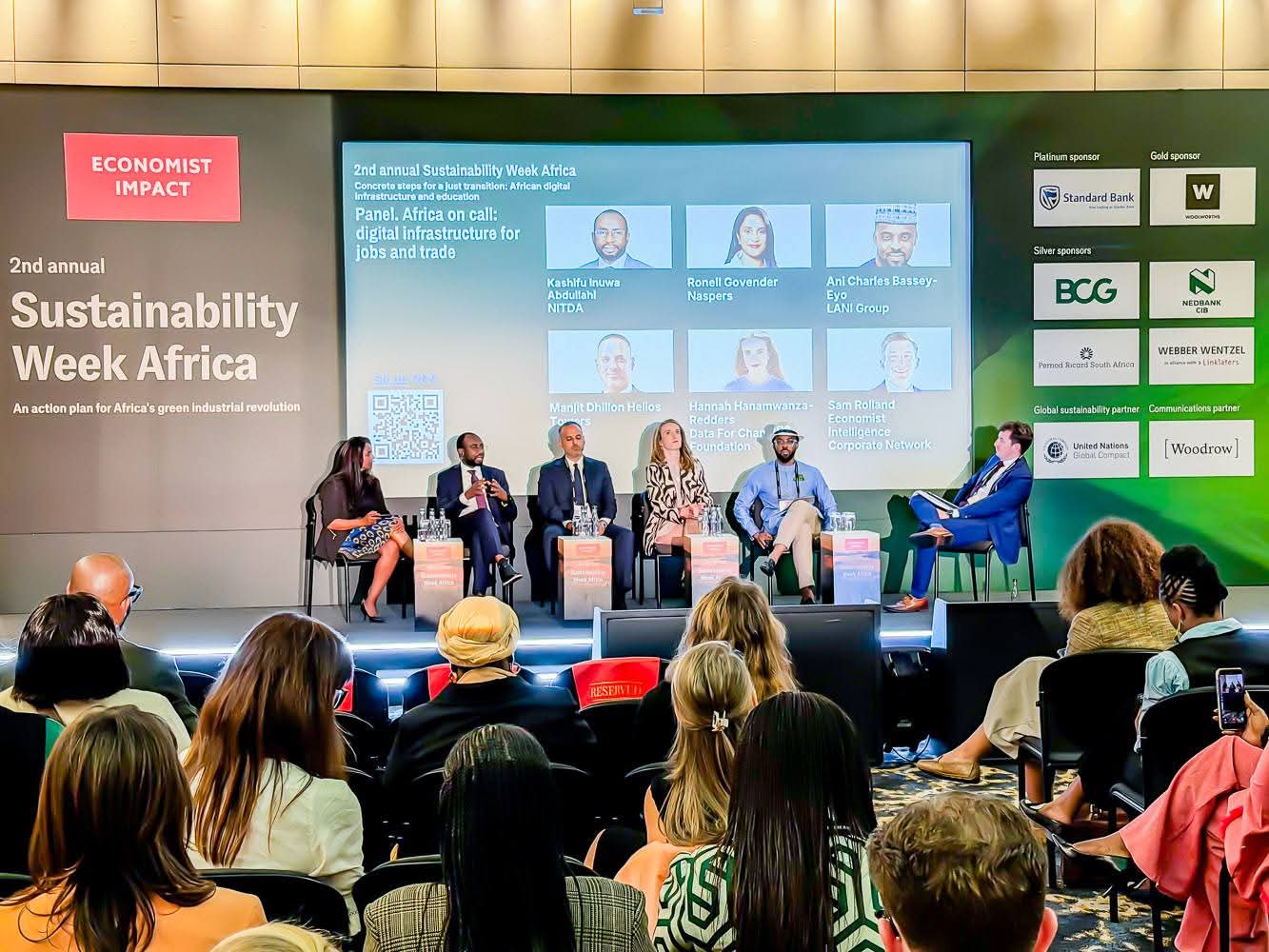
That’s the message Nigeria’s Director General of the National Information Technology Development Agency (NITDA), Kashifu Inuwa, delivered at the 2025 Sustainability Week Africa in Cape Town, South Africa.
In a world where data is the new oil, Inuwa didn’t mince words:
“In the 21st century, compute power is a primary factor of production. We can’t keep exporting our raw data to other regions to process it and build products for us.”
In other words, Africa can’t keep renting digital infrastructure, it’s time to own it.
From Consumers to Creators: Africa’s Digital Turning Point
Africa has spent years consuming other people’s technology; foreign data centres, imported platforms, outsourced innovation. But according to Inuwa, the continent’s next big leap will come from building its own digital public infrastructure (DPI).
And what exactly is DPI? Think of it as the invisible plumbing that keeps a digital society flowing, the physical stuff like cloud capacity and connectivity, and the functional layer like digital ID, payments, and data exchange platforms.
Without that foundation, every “digital transformation” campaign is like building skyscrapers on sand.
Nigeria’s Bold Example: Building for Inclusion, Not Dependence
Nigeria, Inuwa said, isn’t waiting around. The country has already enrolled over 130 million citizens in its national digital identity system which is a massive foundation for seamless public service delivery and e-commerce.
There’s also a National Data Exchange Platform and a Digital Public Infrastructure Centre of Excellence in the works, spaces where engineers can design, build, and test the actual digital “rails” for the nation.
The goal is digital self-determination.
To create infrastructure built by Africans, for African realities, not imported systems that don’t understand the market woman in Kano or the coder in Nairobi.
Why Digital Investment is Africa’s Next Oil Boom
Inuwa’s call for “forceful investment” in local digital infrastructure isn’t just about pride. It’s about power: economic, creative, and generational power.
Compute power drives every modern industry from artificial intelligence and logistics to healthcare and fintech.
And if Africa doesn’t build its own, it’ll remain an observer in a game where everyone else owns the stadium.
That’s why NITDA is pushing for:
1. Government incentives that attract private sector investment into digital infrastructure.
2. Policy coordination across African countries to harmonize digital standards.
3. Local capacity building that makes technology an enabler for every sector — not a privilege for a few.
Digital Literacy: The People Factor
Infrastructure alone isn’t transformation, people are.
Nigeria’s National Digital Literacy Framework aims for 70% digital literacy by 2027 and 95% by 2030.
That’s millions of youth, women, and traders being trained in digital and AI-powered skills through partnerships with Cisco, NYSC, and other organisations.
It’s a quiet revolution that makes technology accessible, useful, and profitable for everyone.
The Big Picture: Africa, Built by Design
Africa doesn’t lack creativity or ambition, it lacks connected systems. The real power lies in collaboration, policy alignment, and shared ownership of the digital future.
As Inuwa put it: “If we build the digital rails together, our youth will drive Africa straight into the heart of the global digital economy.”
Imagine that: a continent where data is stored locally, digital identities are secure, and innovation flows freely between Dakar, Nairobi, and Lagos.
That’s not just digital transformation. That’s digital liberation.
Ultimately, Africa’s transformation won’t come from imported code or rented servers.
It’ll come from homegrown infrastructure, bold leadership, and everyday people gaining the skills to power a smarter, fairer continent.