
By Taiwo Favour
Nigeria has once again taken center stage in Africa’s digital transformation journey, declaring its readiness to lead the continent in shaping the future of electronic governance and responsible innovation.
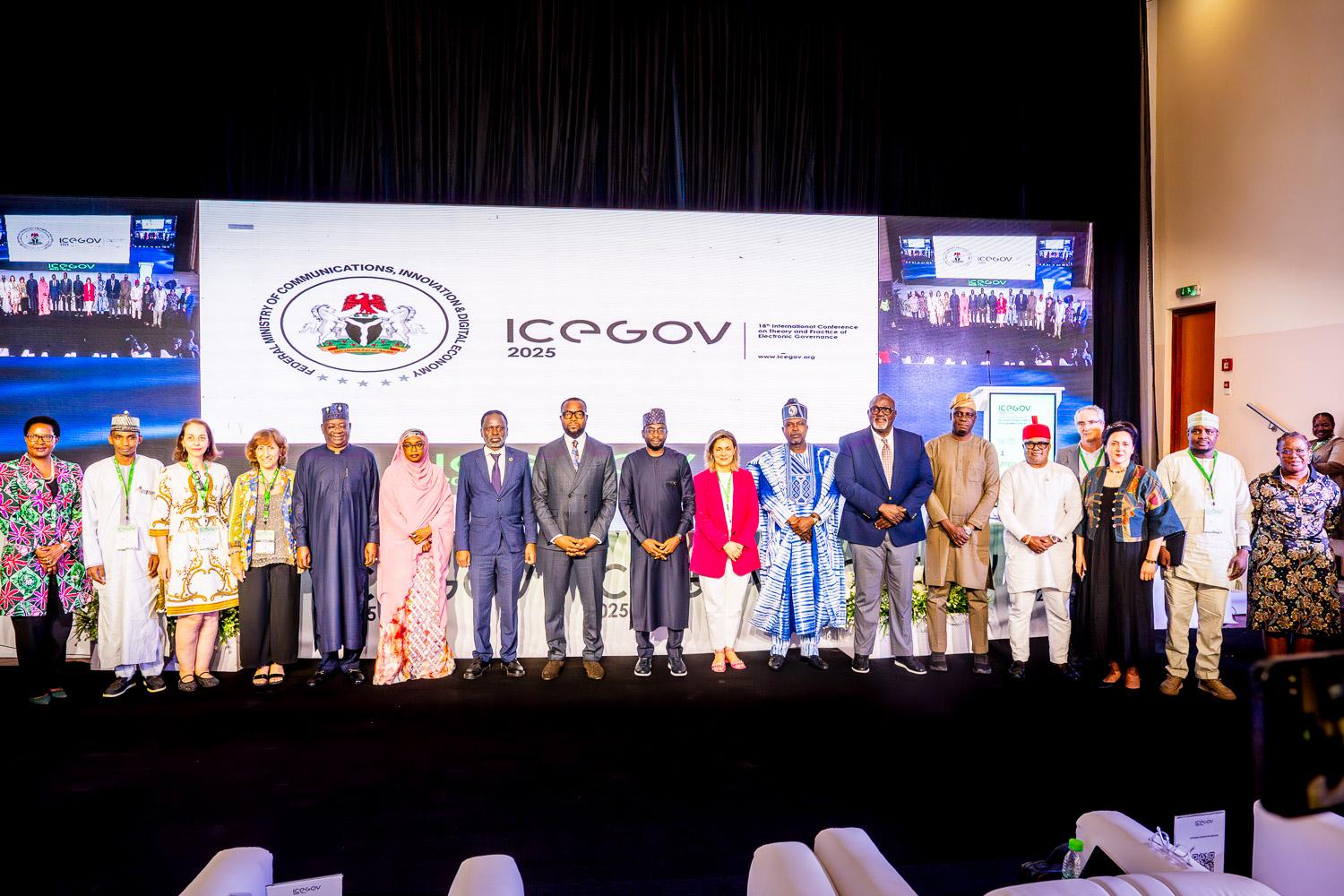
At the 18th International Conference on Theory and Practice of Electronic Governance (ICEGOV 2025), held in Abuja, government leaders, academics, and global experts converged to explore how cooperation, innovation, and inclusion can drive sustainable digital governance.
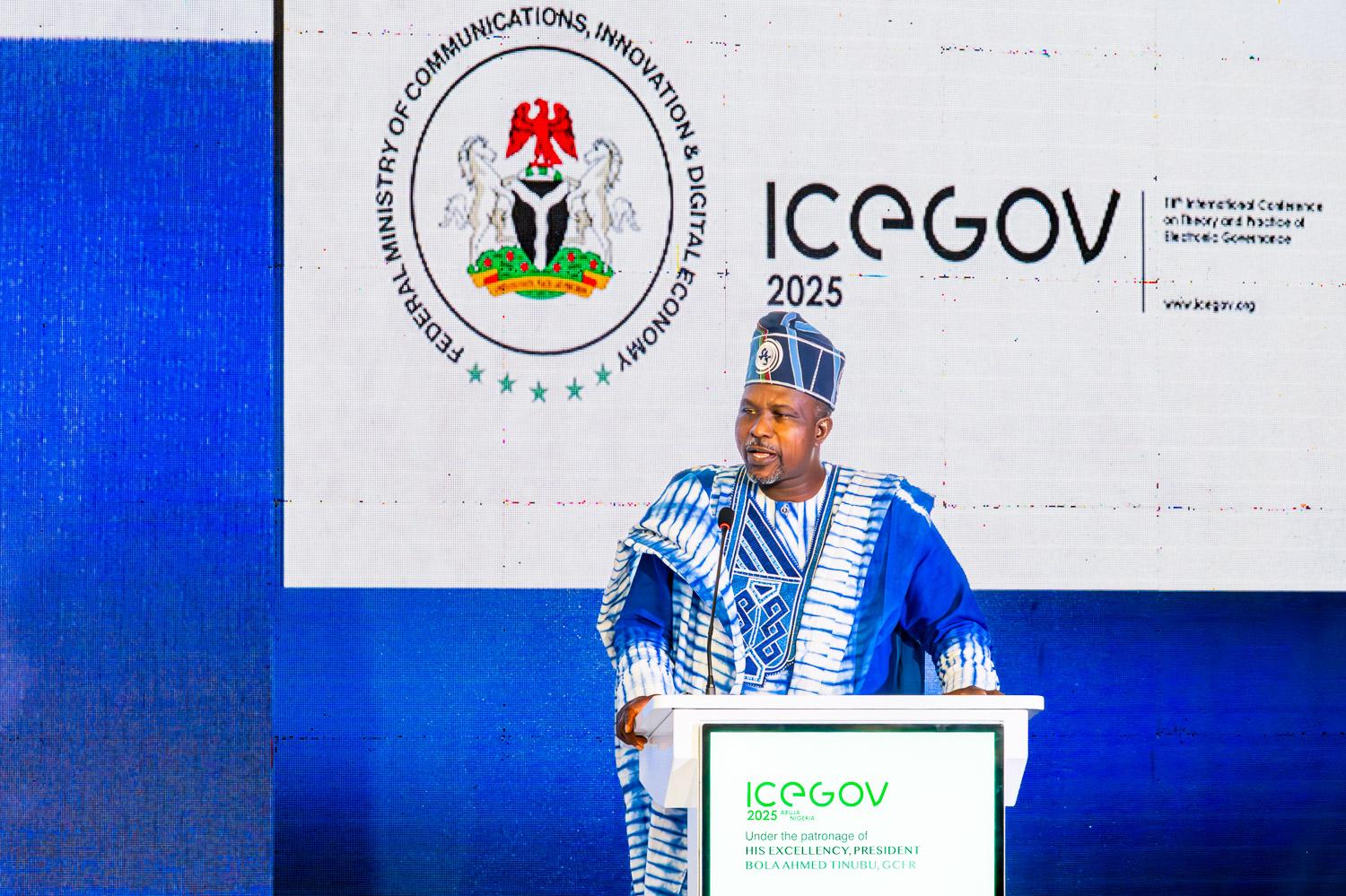
Speaking at the event, Minister of Communications, Innovation and Digital Economy, Dr. Bosun Tijani, reaffirmed the country’s commitment to ethical innovation that prioritizes people over profit. “Digital technologies must serve the public good,” he said. “When good ideas strike, nations prosper; when bad ideas prevail, nations decay.”
Dr. Tijani introduced a new policy model, the “Source Balance Ratio,” which emphasizes the role of research, ethics, and multi-sector collaboration in shaping effective public policy. He noted that platforms like ICEGOV help nations design policies that guide innovation rather than react to it.
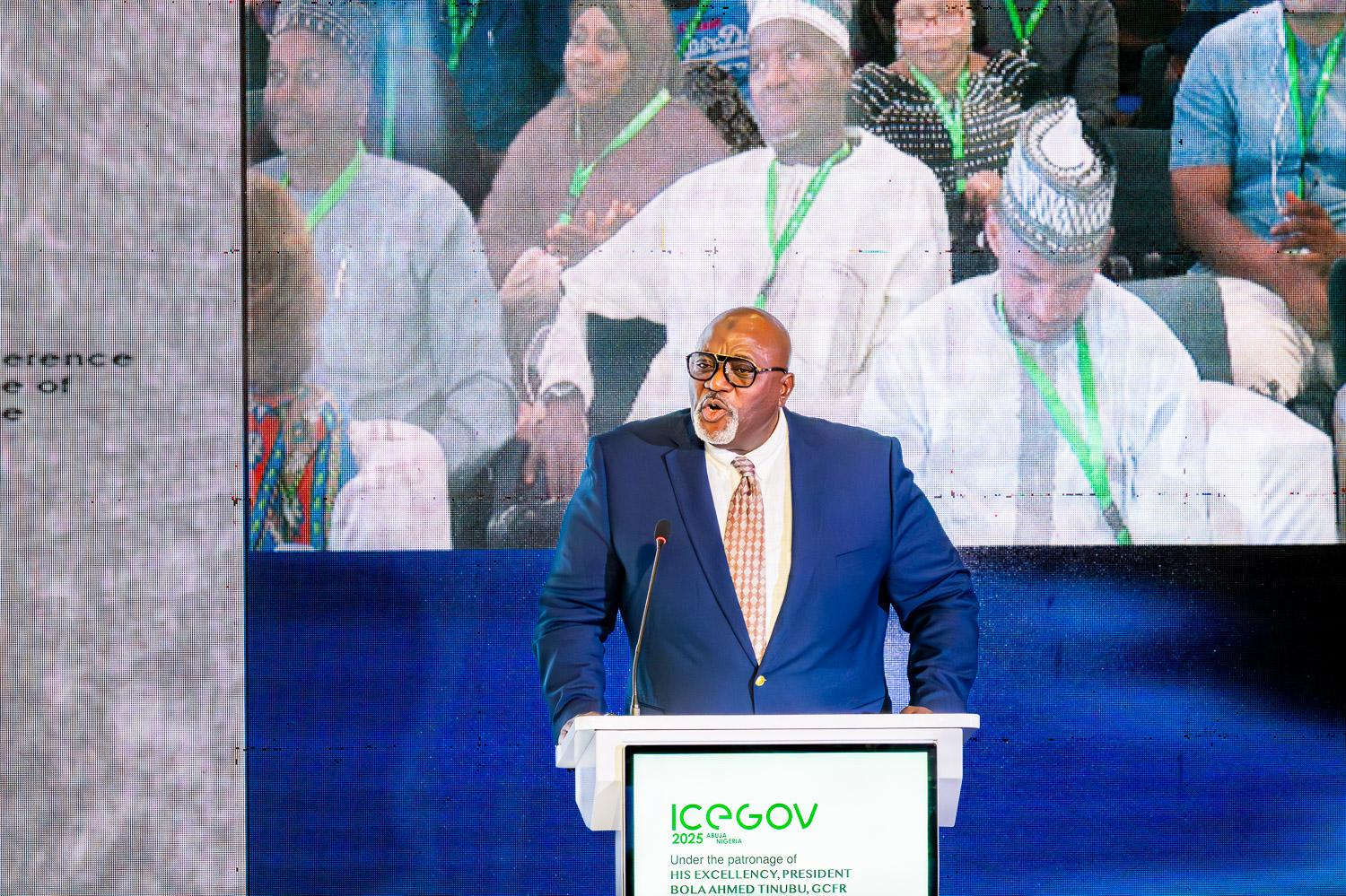
Echoing the Minister’s vision, Kashifu Inuwa CCIE, Director General of the National Information Technology Development Agency (NITDA), described ICEGOV 2025 as a milestone in Nigeria’s evolution into a digital governance powerhouse. He highlighted ongoing projects such as the National Digital Literacy Framework, the 3 Million Technical Talent (3MTT) initiative, and the establishment of a National Data Exchange Platform — all designed to ensure that every citizen participates in the digital economy.
“Digital transformation is not just about technology; it’s about improving how we serve our citizens,” Inuwa said. “Governance must meet people where they are — online.”
The conference, co-chaired by UN Under-Secretary-General Prof. Tshilidzi Marwala and Dr. Tijani, also spotlighted the global ethics of artificial intelligence. Prof. Marwala called for AI that serves humanity equitably, urging policymakers to see technology not merely as progress, but as a moral responsibility.
Distinguished guests, including representatives from the National Assembly, civil service, and academia, praised Nigeria’s proactive leadership and reaffirmed the country’s growing influence in shaping Africa’s digital future.
Their collective message was clear: the success of digital transformation depends not only on infrastructure, but on inclusive governance, ethical innovation, and collaboration across borders.
As ICEGOV 2025 concluded, Nigeria’s role as a bridge between policy, technology, and social impact was unmistakable — signaling a future where Africa doesn’t just adopt digital governance, but defines it.