
For many Nigerians with disabilities, the digital world still feels like a place they are expected to adapt to rather than one designed with them in mind.
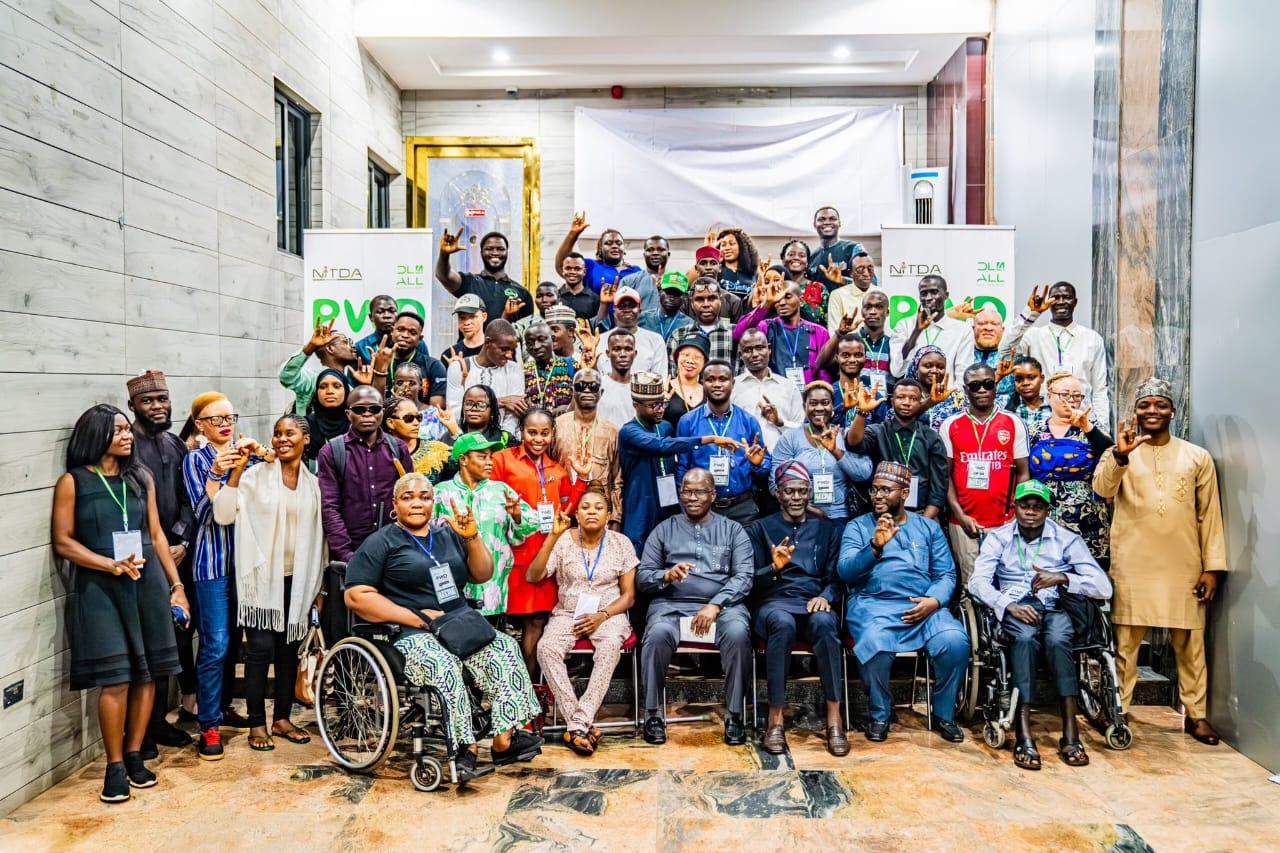
That reality was at the centre of conversations in Abuja as the National Information Technology Development Agency concluded a two-day digital literacy training focused entirely on persons with disabilities.
The programme, delivered under NITDA’s Digital Literacy for All initiative, trained 50 participants in practical digital skills meant to open doors to work, entrepreneurship, and fuller participation in Nigeria’s fast-growing digital economy.
However, beyond the training itself, the exercise highlighted a larger issue of access, design, and intentional inclusion.
Speaking at the programme, NITDA’s Director-General, Kashifu Inuwa CCIE, said digital transformation loses its meaning when accessibility is treated as an afterthought.
He explained that technology already exists, but many platforms continue to exclude users simply because they were not built to accommodate everyone.
“In many cases, the problem is not the absence of digital tools but the lack of accessibility. Platforms that do not support assistive technologies, non-captioned content and inaccessible websites effectively shut people out and limit opportunities,” he said.
Inuwa linked the initiative to President Bola Ahmed Tinubu’s Renewed Hope Agenda, which places inclusivity at the centre of national development.
According to him, persons with disabilities should not be framed as dependants in a digital economy, but as contributors whose potential is often overlooked.
“When equipped with the right skills and technologies, persons with disabilities become innovators, entrepreneurs and professionals who contribute meaningfully across sectors,” he added.
The training also reflects a broader national strategy. Inuwa explained that Digital Literacy for All is part of NITDA’s Strategic Roadmap and Action Plan, which aims to achieve 70 per cent digital literacy by 2027 and 95 per cent by 2030.
Since September 2024, the informal sector arm of the programme has already trained more than 480,000 Nigerians across 30 states and the Federal Capital Territory, alongside parallel efforts in schools and workforce development.
He stressed that the Abuja training was not symbolic. “This programme is not merely a pilot. It is proof that inclusive and intentional training works, and that persons with disabilities can excel when given equal opportunities,” he said.
For partners involved in the programme, the impact goes beyond numbers. The Managing Director and Chief Executive Officer of SIMBED, Mr Daniel Onunkwo, described the training as a meaningful step towards narrowing the digital inclusion gap, noting that initiatives like this reinforce the idea that equity is essential to national progress.
Similarly, the Executive Director of Inclusive Friends Association, Grace Jerry, represented by Tracy Agbamu, praised NITDA’s approach, urging participants to apply their new skills and become voices for inclusion within their communities.
As Nigeria continues to digitise, the message from Abuja was clear. Digital progress is not only about faster systems or smarter tools, but about who gets to use them, who gets left out, and how deliberately those gaps are closed.