
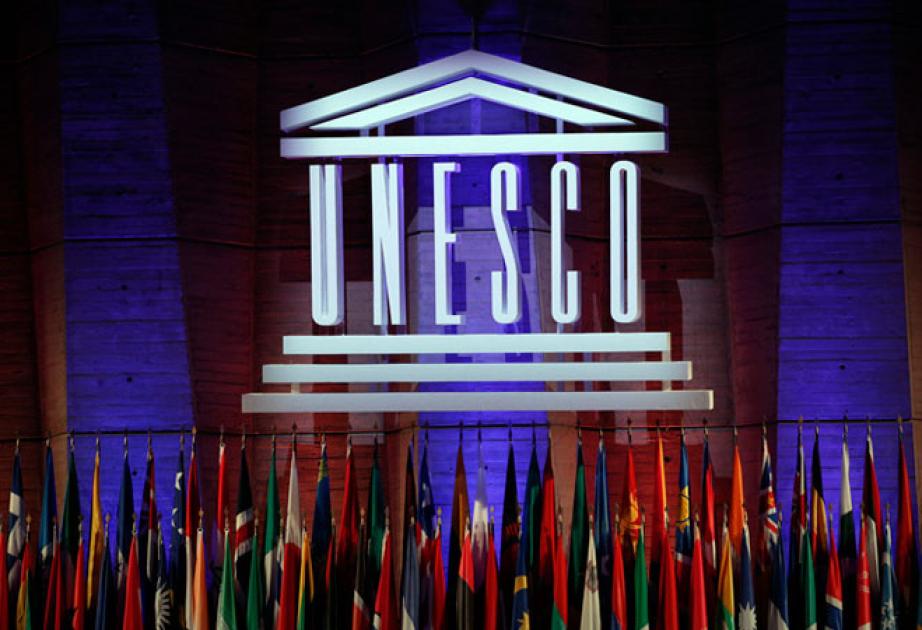
The global education system is facing renewed strain, with the number of children and young people out of school rising to 273 million, according to the United Nations Educational, Scientific and Cultural Organisation.
The alarming figure was disclosed in UNESCO’s 2026 Global Education Monitoring Report released on Wednesday, which revealed that school exclusion has now increased for the seventh consecutive year, reversing years of gradual improvement.
The report paints a troubling picture of access to education worldwide, noting that one in every six school-age children is currently out of the classroom, while only two-thirds manage to complete secondary education.
UNESCO attributed the worsening trend to a combination of persistent conflict, rapid population growth, and systemic challenges that continue to undermine access to learning, particularly in vulnerable regions.
“Progress in keeping children in school has slowed across almost every region,” the report noted, with sub-Saharan Africa bearing the brunt of the crisis.
The situation is even more severe in conflict-affected areas, where the number of out-of-school children is believed to be significantly higher than official estimates, further complicating global efforts to bridge the education gap.
Despite the grim outlook, the organisation pointed to notable gains recorded over the past two decades. It highlighted a steady rise in global school enrolment since 2000, driven by sustained international efforts to expand access to education.
According to the report, “more than 25 additional children accessing school every minute” since 2000 reflects the scale of progress achieved, even as recent setbacks threaten to erode those gains.
UNESCO also acknowledged that some countries have made remarkable strides in reducing exclusion and broadening access across all levels of education, demonstrating that targeted reforms can deliver results.
However, the report cautioned against one-size-fits-all solutions, stressing that the complexity of the crisis requires flexible, country-specific strategies backed by consistent funding.
It urged governments and stakeholders to adopt tailored approaches and scale up investment to ensure that every child, regardless of location or circumstance, has access to quality education.