
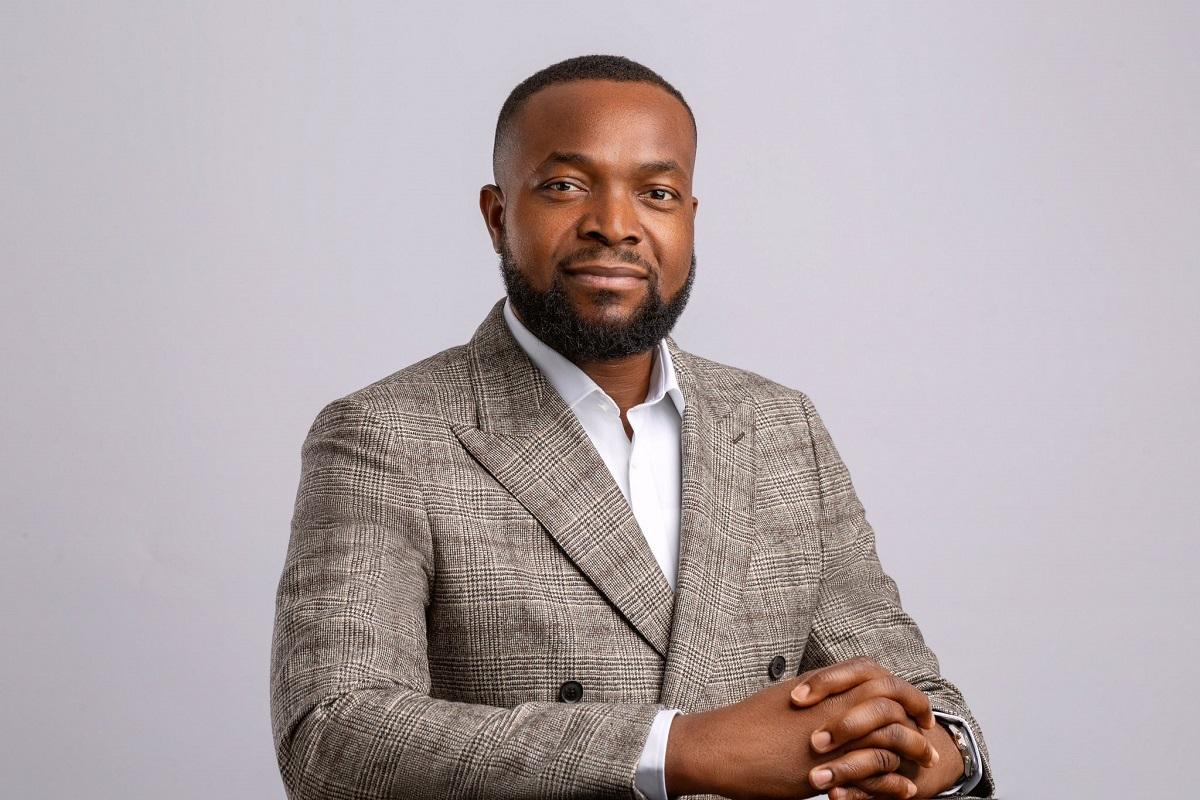
Nigeria’s Minister of Communications, Innovation and Digital Economy, Bosun Tijani, has revealed how bandits and terrorists take advantage of weaknesses in the country’s telecommunications infrastructure to organise their operations.
Speaking on Channels Television’s Politics Today on Friday night, Tijani said criminals use advanced technology to bounce calls across multiple towers, particularly in areas with poor connectivity.
“They weren’t using the normal towers; they bounced calls off multiple towers, which is why they favour areas that are largely unconnected,” he explained.
When asked about reports that unregistered or fraudulently registered SIM cards remain in circulation despite the Bank Verification Number (BVN) and National Identification Number (NIN) linkage policies, Tijani said the issue is technically complex and not fully verified.
The minister outlined government efforts to strengthen digital infrastructure, including:
- Expanding telecom towers in underserved regions.
- Upgrading Nigeria’s communication satellites.
- Extending fiber-optic networks nationwide.
“If our towers are not working, our satellites will work. Nigeria is the only country in West Africa with communication satellites, and we are bringing new satellites to upgrade their capabilities,” Tijani said.
He stressed that these initiatives aim to improve connectivity for citizens while closing loopholes exploited by criminals, thereby enhancing national security.
His comments come amid growing insecurity in northern Nigeria, where banditry, kidnapping, and terrorism have escalated. Security agencies note that many attacks are coordinated across vast rural areas with poor network coverage, making it difficult to track perpetrators.
Authorities have also raised concerns about bandits flaunting ransom payments on social media platforms such as TikTok, further complicating efforts to curb their influence.