


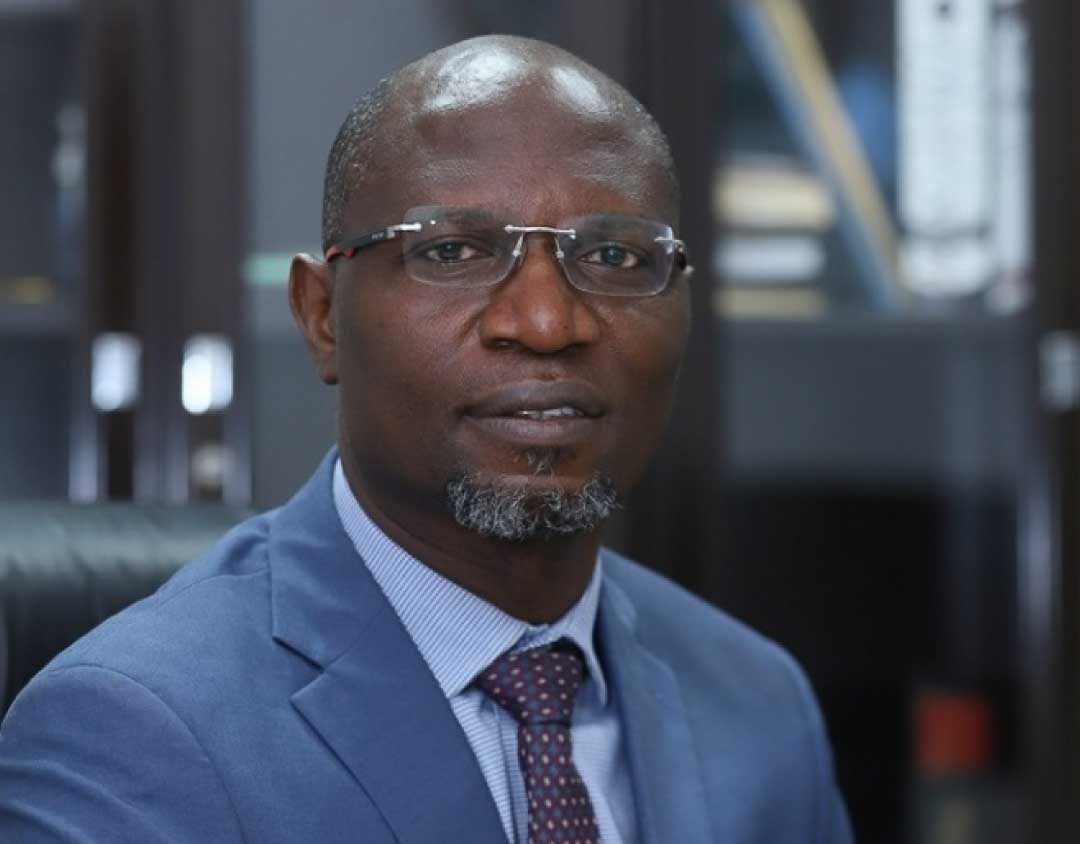
Director-General of the Securities and Exchange Commission (SEC) Emomotimi Agama, has disclosed that Nigeria’s digital space, cryptocurrency operation has reached $96bn in transactions
He stated this on Monday in Abuja during a Citizens and Stakeholders Engagement Session organised by the Federal Ministry of Finance in Abuja.
According to him, the scale of activity in the digital asset market makes it necessary for regulators to place the sector under stronger oversight.
“As we speak today, it is a known fact from research and statistics that the virtual asset service providers and indeed the digital space, cryptocurrency operation is within the range of $96bn in transaction flow in Nigeria, and that is important for us to manage,” he said.
The regulatory framework governing the space has been reinforced with the enactment of the Investment and Securities Act 2025, which gives the commission powers to regulate digital assets and other emerging financial technologies, he stated.
He explained that the legislation also reaffirmed the SEC as the apex regulator of the Nigerian capital market while introducing provisions aimed at monitoring systemic risks and aligning the country’s market operations with global standards.
Agama stated that the capital market has continued to support investment across key sectors of the economy, noting that the commission approved about N3.68tn worth of new capital market issues in 2024, covering both equity and fixed income instruments.
He added that the market also played a major role in strengthening the banking sector during the recent recapitalisation exercise, with more than 31 banks raising funds through the capital market to meet new capital requirements.
The SEC boss noted that the overall performance of the market has improved significantly in recent years, with total market capitalisation rising from about N55tn in 2024 to roughly N127tn currently.
He further stated that the capital market’s contribution to the economy has increased, as the ratio of market capitalisation to gross domestic product rose from about 13 per cent to roughly 33 per cent.



















 Emomotimi Agama, has disclosed that Nigeria’s digital space)