
For years, Nigeria’s public sector has struggled with a quiet but costly problem. Systems that do not speak to each other, data that sits in silos and agencies building in isolation, instead of in sync.
That may be starting to change.
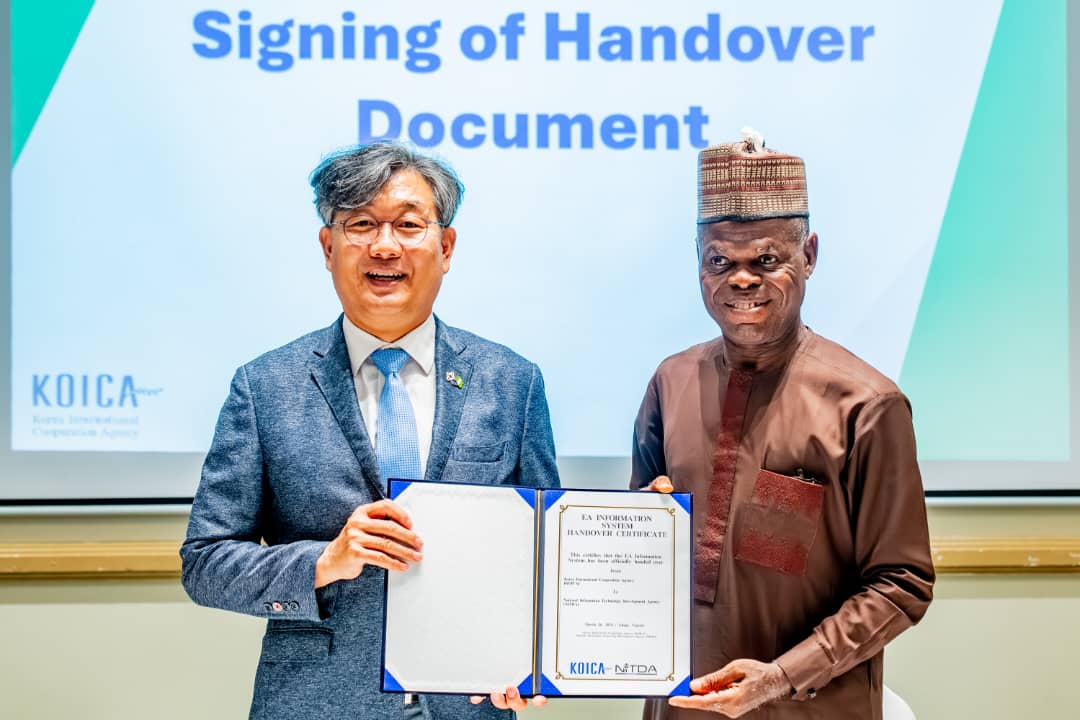
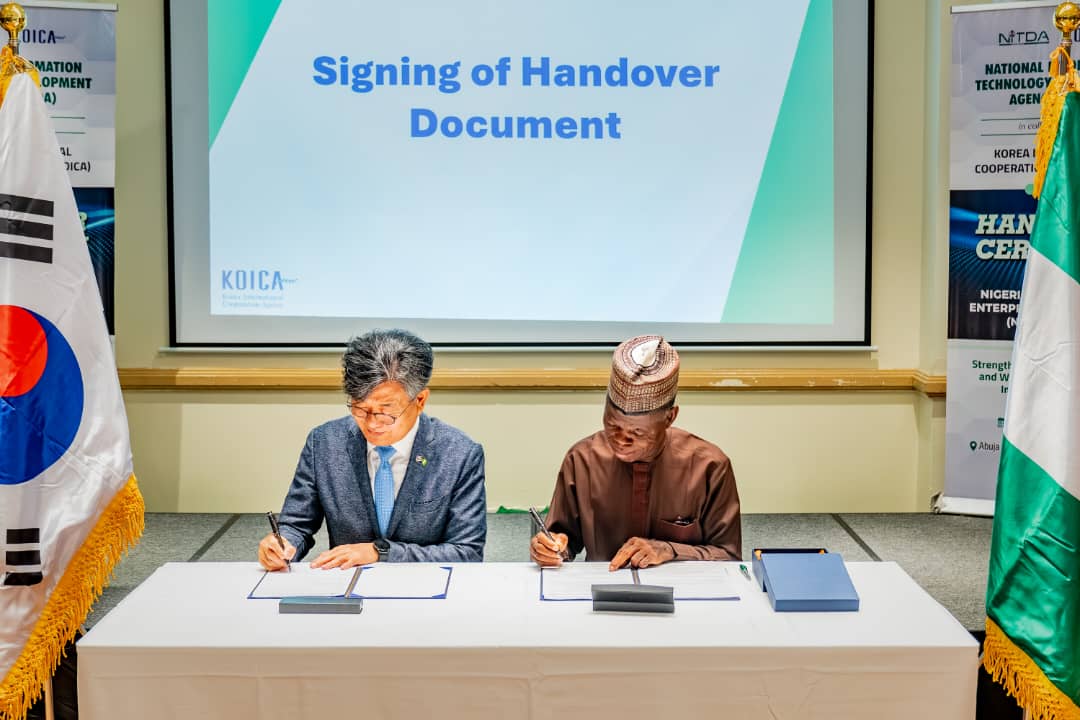
The National Information Technology Development Agency has formally taken over the Nigeria Government Enterprise Architecture Portal, a move that signals a shift toward building a more coordinated, data driven government.
At a handover event in Abuja, NITDA’s Director General Kashifu Inuwa, represented by Dr Dimie Warowei, described the moment as the result of a multi year collaboration between Nigeria and the Republic of Korea, supported by the Korea International Cooperation Agency.
However, beyond the ceremony, the significance lies in what the platform is expected to fix.
The NGEA initiative is part of Nigeria’s e Government Masterplan 2.0. Its goal is simple but ambitious. Create a system where government institutions can share data, align processes and deliver services without duplication or delay.
Over the past two and a half years, Nigerian and Korean experts worked to redesign the country’s enterprise architecture framework. What has emerged is a structure built around standardisation, interoperability and long term efficiency.
“The successful implementation of enterprise architecture across government will help reduce duplication, improve interoperability, and enhance service delivery,” Inuwa said.
That sentence carries weight because it addresses a real pain point. Today, many government processes require citizens to submit the same information multiple times across different agencies.
Internally, agencies often duplicate efforts because systems are not integrated. The new framework is designed to change that.
Through a set of reference models covering technology, business and service layers, the system provides a shared blueprint for how Ministries, Departments and Agencies should build and manage their digital platforms. Data and performance models are also being introduced to ensure consistency and accountability across institutions.
Importantly, this is not just theory. Pilot implementations have already taken place in agencies such as the National Identity Management Commission, Nigeria Customs Service and Nigeria Immigration Service.
These pilots tested how integrated systems can improve internal workflows and public facing services.
The infrastructure supporting the portal was developed by Qorebox Technologies and hosted on Galaxy Backbone, ensuring local capacity and system stability, with a maintenance framework already in place.
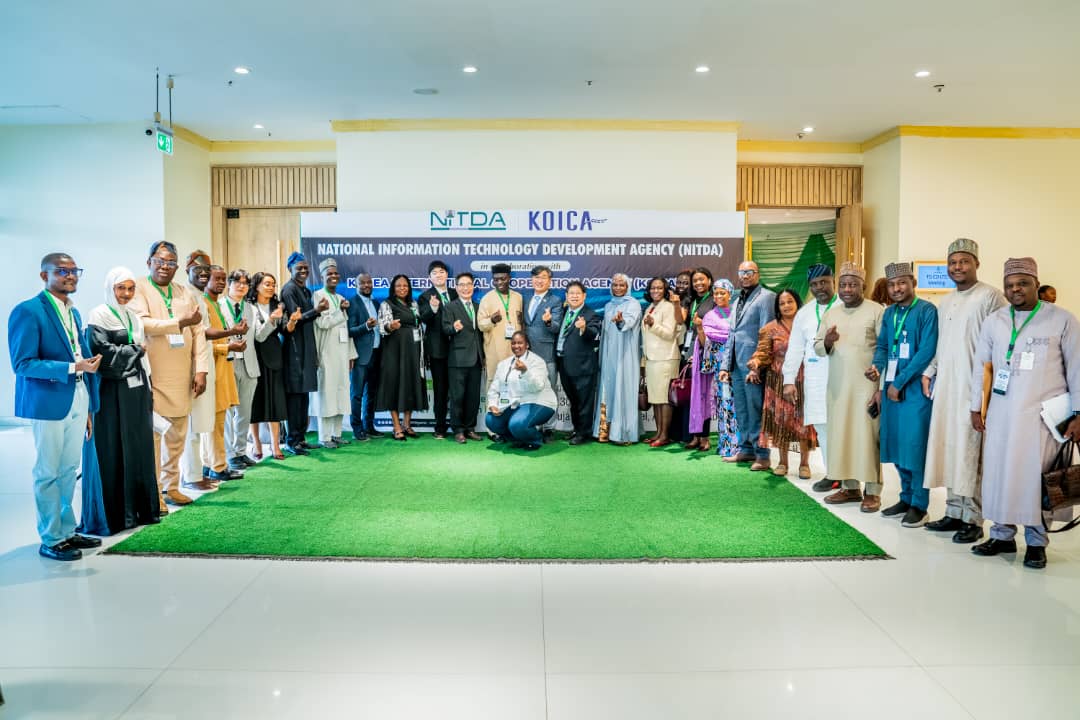
For the Korean partners, the handover marks a completed collaboration. For Nigeria, it marks the beginning of execution.
KOICA Country Director Eunsub Kim described the project as a successful example of international cooperation, while officials from the Federal Ministry of Communications, Innovation and Digital Economy noted that the portal represents a move away from fragmented digital initiatives toward a unified national system.
Digital transformation is often discussed in broad terms, but its real impact is felt in everyday interactions. Faster processes, fewer delays and clearer systems.
What NITDA now holds is not just a platform, it is a structure that, if implemented properly, can change how government works behind the scenes.
The challenge, as always, is adoption. Frameworks only deliver value when institutions commit to using them fully.
Still, the direction is becoming clearer. Nigeria is moving toward a model where government is not a collection of separate systems, but a connected network built around shared data, shared standards and a single goal.
Making public service work better for the people it serves.