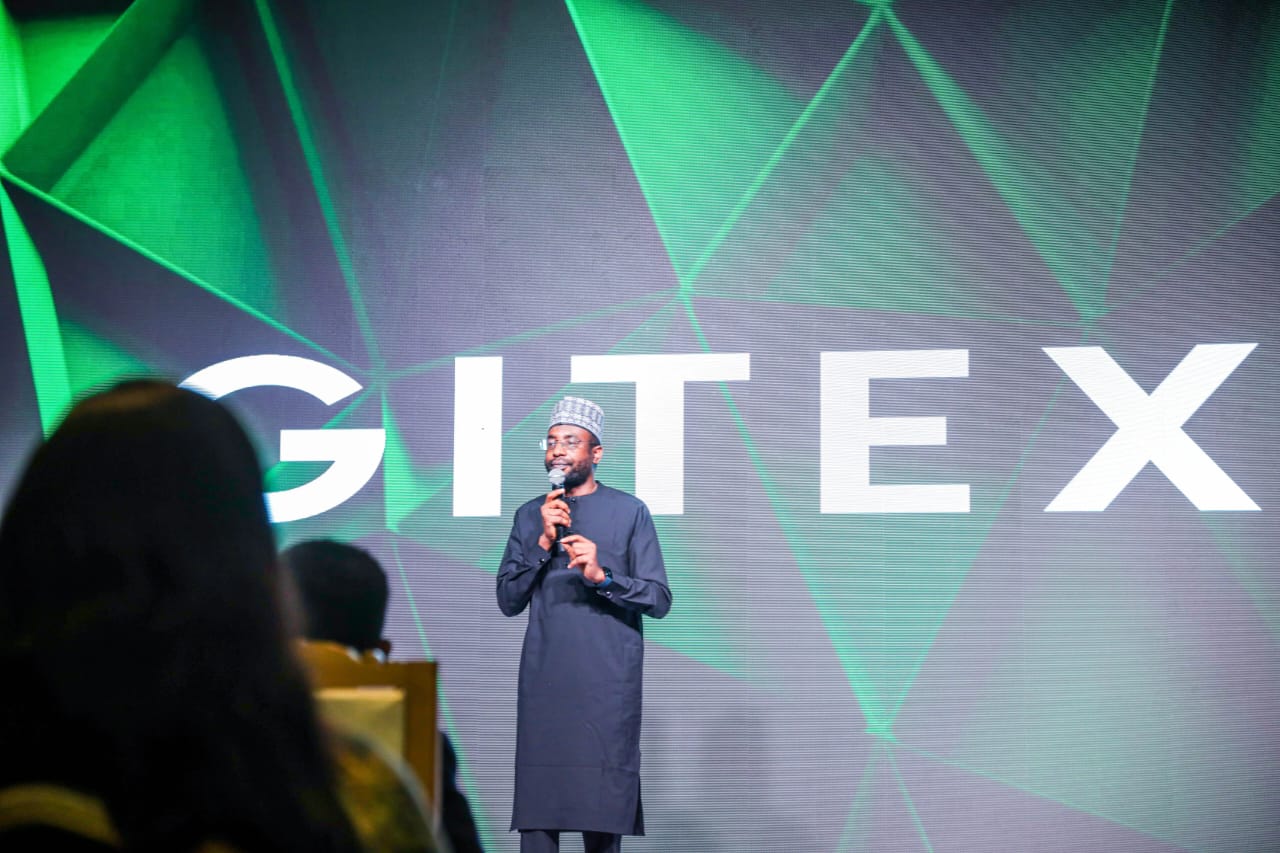
Nigeria is set to host the second edition of GITEX Nigeria, as the Federal Government moves to strengthen the country’s digital infrastructure, artificial intelligence (AI) ecosystem and technology-driven economy.
The event, billed as West Africa’s largest technology, AI and startup gathering, will hold in Abuja and Lagos from August 31 to September 3, 2026, under the patronage of President Bola Ahmed Tinubu.
Themed, “Beyond Connectivity: The Bridge to Sovereign Innovation,”* the event is supported by the Federal Ministry of Communications, Innovation and Digital Economy, in collaboration with the National Information Technology Development Agency (NITDA).
It is endorsed by the Lagos State Government and organised by KAOUN International, the global organiser of GITEX events.
The 2026 edition is expected to bring together government leaders, technology companies, investors, startups and other stakeholders to explore opportunities for strengthening Nigeria’s digital economy, expanding AI infrastructure and building greater digital resilience.
According to the organisers, the event will also facilitate strategic partnerships and investments aimed at advancing innovation ecosystems and supporting West Africa’s drive towards digital sovereignty.
The Federal Government said its digital transformation agenda had recorded progress through initiatives targeting digital skills, infrastructure development and responsible adoption of emerging technologies.
Under the 3 Million Technical Talent (3MTT) programme, government said 1.87 million Nigerians had registered across the country’s 774 local government areas, while more than 135,000 people had been trained through three cohorts.
It added that learning had been extended to more than 300,000 people through community resources, with about 15,000 job and opportunity pathways created.
The government is also implementing Project BRIDGE, a national ICT infrastructure initiative designed to expand connectivity and support long-term digital transformation.
The project is expected to create up to 20,000 direct jobs and more than 150,000 indirect jobs, train 5,000 Nigerian youths, increase internet penetration to more than 70 per cent and extend high-speed connectivity to millions of households, businesses, schools and hospitality establishments in underserved communities.
Speaking on the forthcoming event, the Minister of Communications, Innovation and Digital Economy, Dr Bosun Tijani, said the government’s focus was to strengthen the foundations required for Nigeria and Africa to achieve digital sovereignty and technological self-reliance.
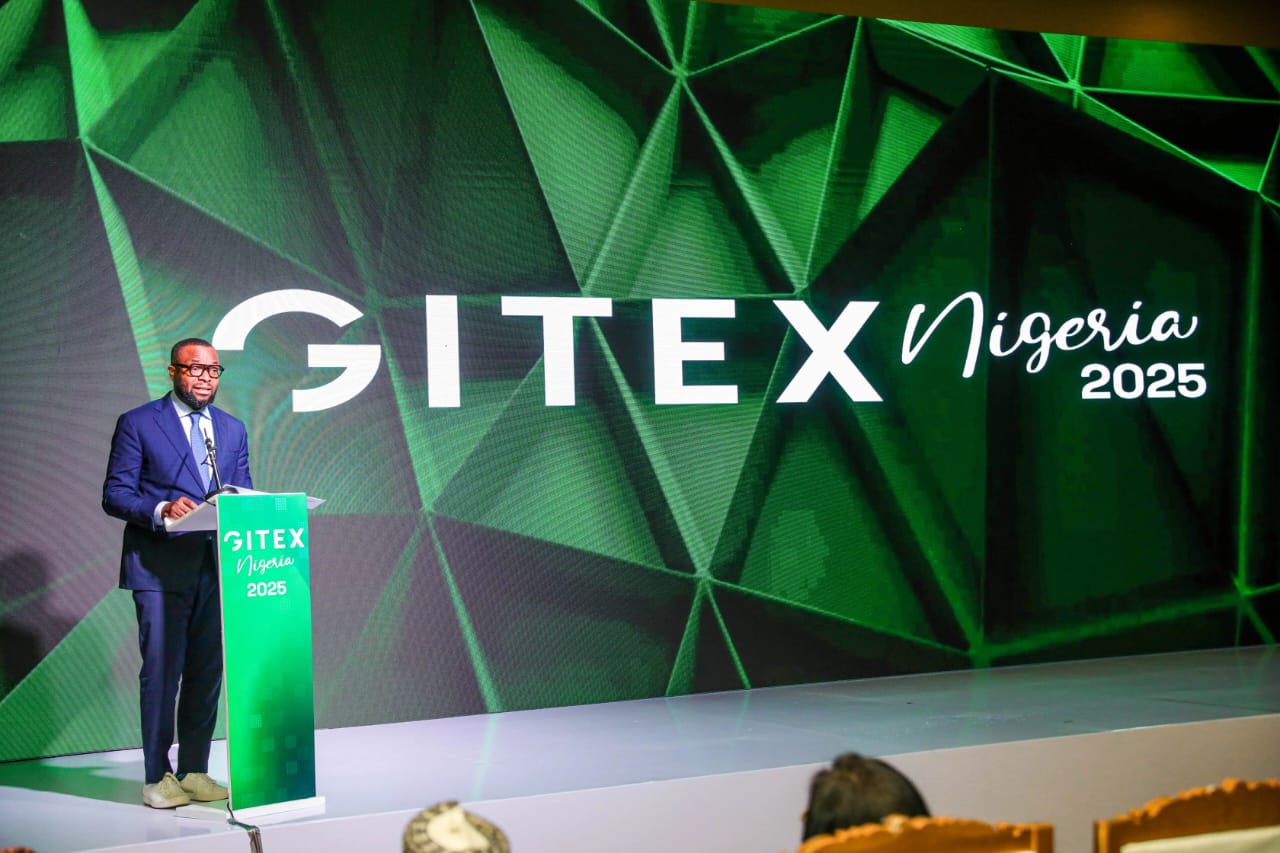
Tijani said the progress recorded through Project BRIDGE provided a foundation for expanding digital infrastructure and connecting communities across the country.
“Building on the momentum forged through the implementation of Project BRIDGE, our national blueprint for expanding digital infrastructure and connecting communities across Nigeria, our aspiration ahead of this year’s edition is clear: to solidify the foundations Africa needs for digital sovereignty, technological self-determination, and a globally competitive AI-powered economy,” he said.
The minister said Nigeria was seeking to promote equitable access to technology, accelerate cross-continental development and position the country as a producer and exporter of digital technologies and AI solutions.
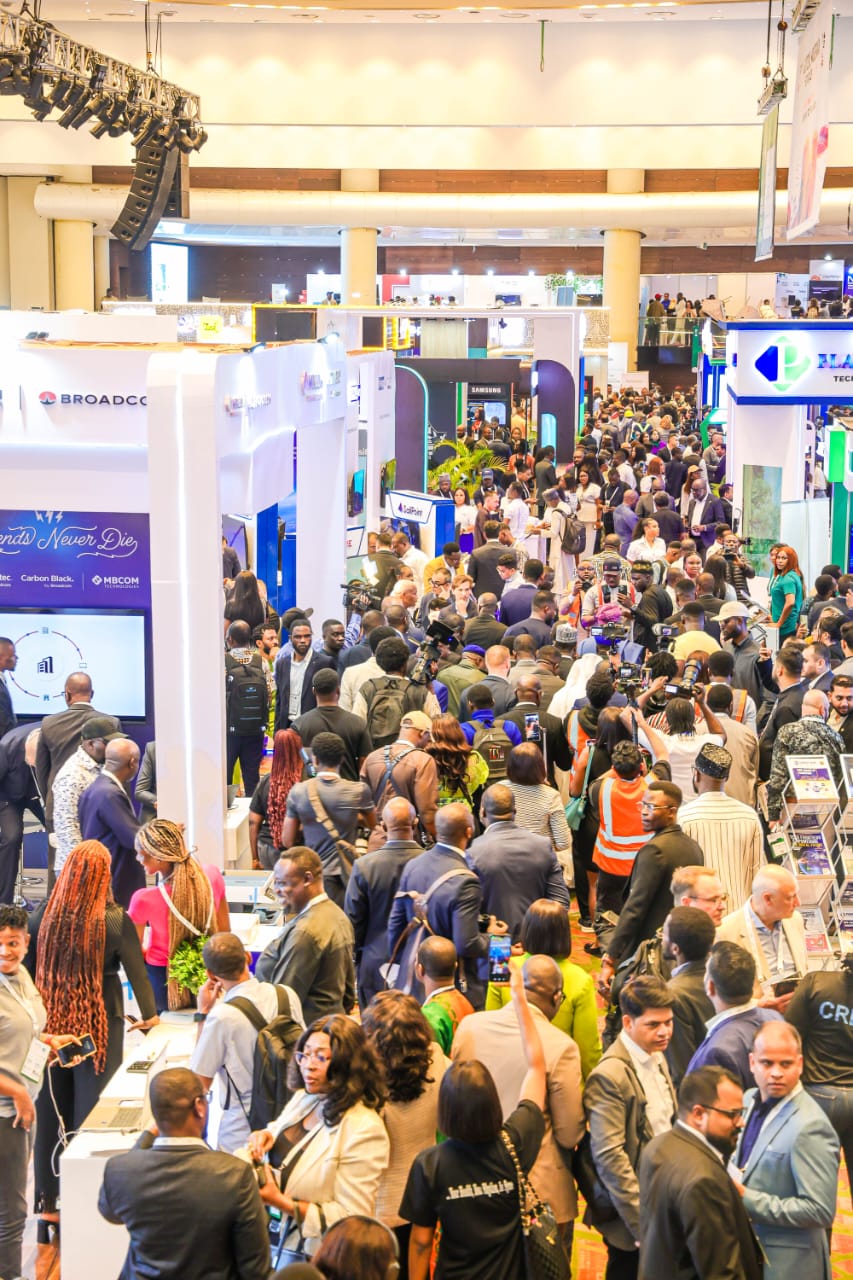
GITEX to Focus on AI, Digital Public Infrastructure
The GITEX Nigeria Government Leadership and AI Summit will open in Abuja on August 31, bringing together ministers, governors, regulators and other stakeholders to deliberate on digital public infrastructure and the future of AI in West Africa.
The GITEX Nigeria Tech Expo and Future Economy Conference, as well as the Startup Festival, will also return for the second consecutive year.
A new addition to the programme is FDX Nigeria by GITEX, which will focus on finance and digital asset exchange.
The organisers said the platform was designed to promote financial inclusion, support the transition from legacy financial systems and bring more businesses into the formal economy by connecting emerging technology with global capital.
The Governor of Lagos State, Babajide Sanwo-Olu, said the state remained central to Africa’s technology and digital economy ambitions.
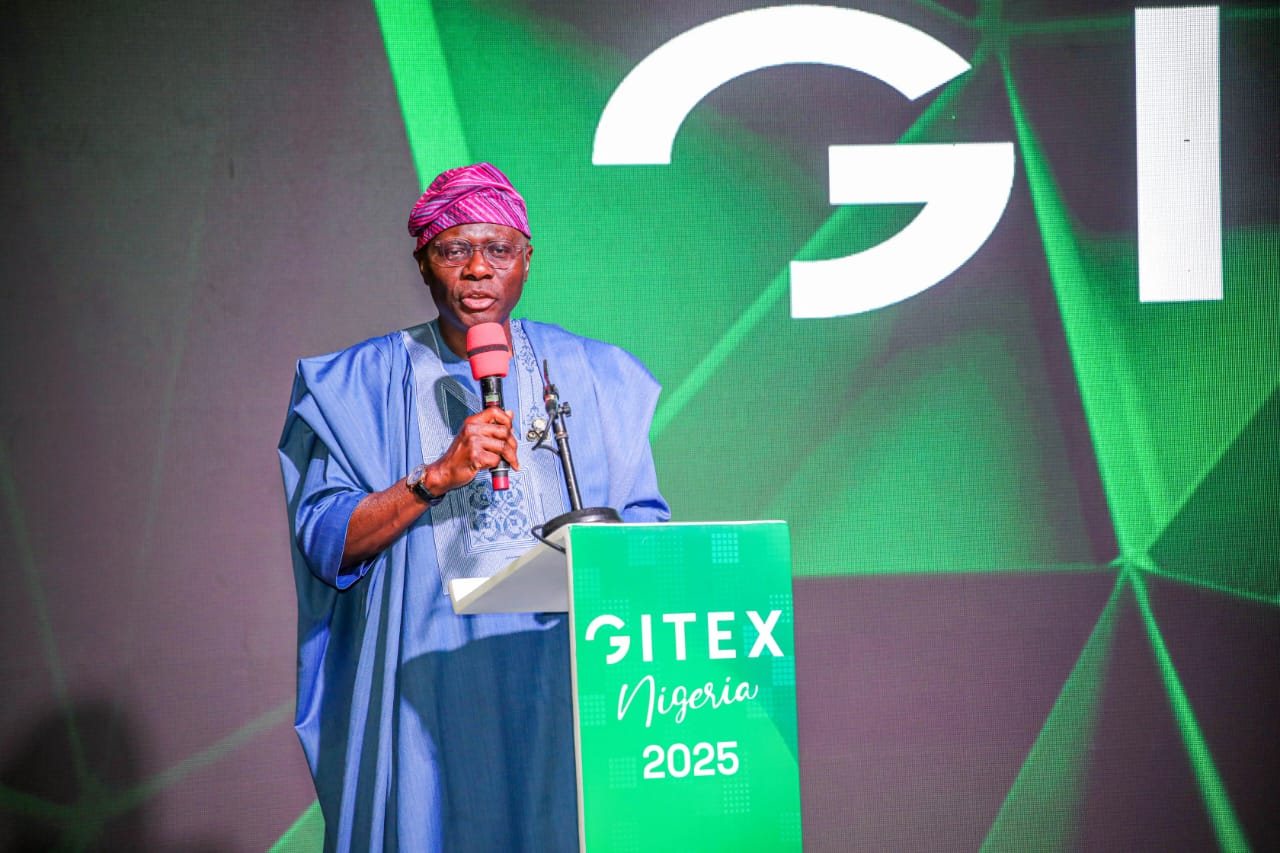
Sanwo-Olu said Lagos, with an estimated gross state product of about $259 billion in purchasing power parity terms and contributing more than 30 per cent of Nigeria’s GDP, had continued to attract talent, capital and innovation from across Africa and beyond.
He said the return of GITEX Nigeria to Lagos would support the state’s efforts to promote a smarter, more connected and globally competitive economy.
“We are delighted to welcome GITEX NIGERIA once again – a unique event certain to elevate our mission to support a smarter, more connected, and globally competitive African economy, while cementing Lagos’ position as a gateway to opportunity for Nigeria and beyond,” Sanwo-Olu said.
The Director-General and Chief Executive Officer of NITDA, Kashifu Inuwa Abdullahi, said Nigeria’s digital transformation would depend not only on technology adoption but also on the strength of the regulatory and governance structures supporting emerging technologies.
According to him, GITEX Nigeria would provide a platform for stakeholders to advance responsible AI adoption, strengthen digital security and create opportunities for innovation and investment.
“Nigeria’s digital future will be defined not only by the technologies we adopt, but by the resilience, trust, and governance frameworks we build around them,” Abdullahi said.
He added that the expertise, investments and partnerships generated through the event would contribute to the development of a secure and inclusive AI ecosystem capable of supporting Nigeria and West Africa’s long-term competitiveness.
Nigeria Positions for AI-Driven Growth
The organisers said Nigeria’s digital economy had continued to expand on the back of government initiatives, technology companies and a growing startup ecosystem.
They said programmes such as the 3MTT, Project BRIDGE and the National Artificial Intelligence Strategy were helping to strengthen the country’s capacity in talent development, digital infrastructure, investment attraction and responsible AI adoption.
According to them, these initiatives are positioning Nigeria as a major player in Africa’s digital transformation and could contribute to the continent’s projected $1 trillion AI-driven economic opportunity by 2035.
The Chief Executive Officer of GITEX, Trixie LohMirmand, said the event would showcase West Africa’s growing technology ecosystem and create opportunities for global investors and technology companies to engage with the region.
“GITEX NIGERIA sends a clear, unequivocal message to the world: West Africa is open for business, ready to translate bold ideas and technological ambition into prosperity, resilience, and enduring global leadership for generations to come,” she said.
She added that the event would facilitate partnerships and strategic conversations aimed at strengthening regional competitiveness and unlocking opportunities for growth across Nigeria and West Africa’s digital ecosystems.