
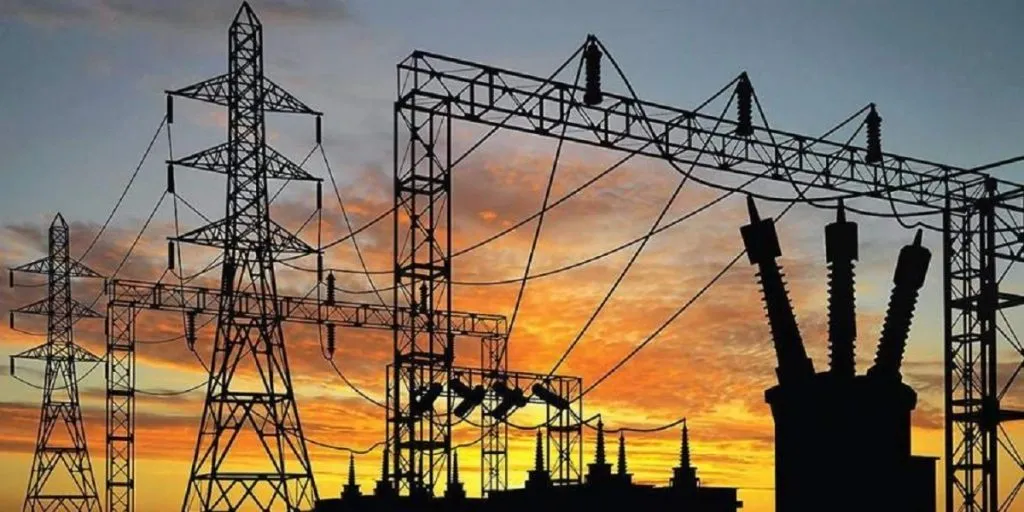
Nigerians have been grappling with worsening electricity supply in recent weeks, with blackouts spreading across homes and businesses nationwide.
The Nigerian Independent System Operator (NISO) gave reasons for this situation in a statement titled “Declining Power Output Attributable to Generation Shortfalls and Gas Supply Limitations,” released on its official X handle on Friday.
It confirmed that the crisis stems from a severe shortage of gas to thermal power plants, which provide the bulk of the country’s electricity.
The outages began in early February after scheduled maintenance on critical gas infrastructure by NNPC Limited and Seplat Energy disrupted deliveries to several thermal plants. While the exercise was temporary, gas supply has not fully recovered, leaving the grid unable to meet demand.
The Numbers
- Nigeria’s thermal plants require about 1,629.75 million standard cubic feet of gas daily to operate optimally.
- As of February 23, supply had dropped to just 692 million scf/day which is less than 43% of the required volume.
- This has reduced generation to an average of 4,300 megawatts, far below both installed capacity and the country’s estimated peak demand of over 20,000MW.
NISO explained: “The current average available generation of approximately 4,300MW is primarily due to inadequate gas supply to thermal generating stations.”
Why Gas Matters
Thermal plants account for more than 70% of Nigeria’s electricity generation, with hydropower making up the rest. Any disruption in gas supply therefore translates directly into lower generation, weaker allocations to Distribution Companies (DisCos), and widespread outages.
As NISO noted: “Given that thermal plants account for the dominant share of Nigeria’s generation mix, any disruption or limitation in gas supply directly affects available generation capacity and overall grid output.”
System Response
To stabilize the grid, NISO has been forced to implement load shedding, rationing available energy across distribution networks.
“When total system generation drops significantly, the Independent System Operator must implement load shedding across the system… to maintain grid stability and prevent system disturbances,” the operator stated.
Structural Challenges
The crisis underscores long-standing vulnerabilities in Nigeria’s power sector:
- Pipeline vandalism and maintenance shutdowns.
- Legacy debts owed by generating companies to gas suppliers.
- Foreign exchange pressures affecting gas pricing.
- Liquidity challenges across the electricity value chain.
The Bigger Picture
Nigeria’s reliance on gas-fired plants makes its electricity supply highly fragile. Without stable and commercially viable gas arrangements, reforms in grid management alone cannot close the supply gap.
NISO expressed regret over the inconvenience to consumers but assured:
“We will continue to work closely with relevant stakeholders to ensure full energy allocation as soon as gas supply improves and generation capacity is restored.”
Outlook
Until gas deliveries improve, Nigerians should expect continued epileptic supply, blackouts, and rationing. A sustained solution will require not only technical fixes but also financial reforms to ensure gas producers are paid and infrastructure bottlenecks are resolved.