
Nigeria’s biggest economic advantage is not hidden in oil wells or policy documents. It is sitting in its population. Young, growing, and largely unprepared for the kind of work the world is already struggling to fill.
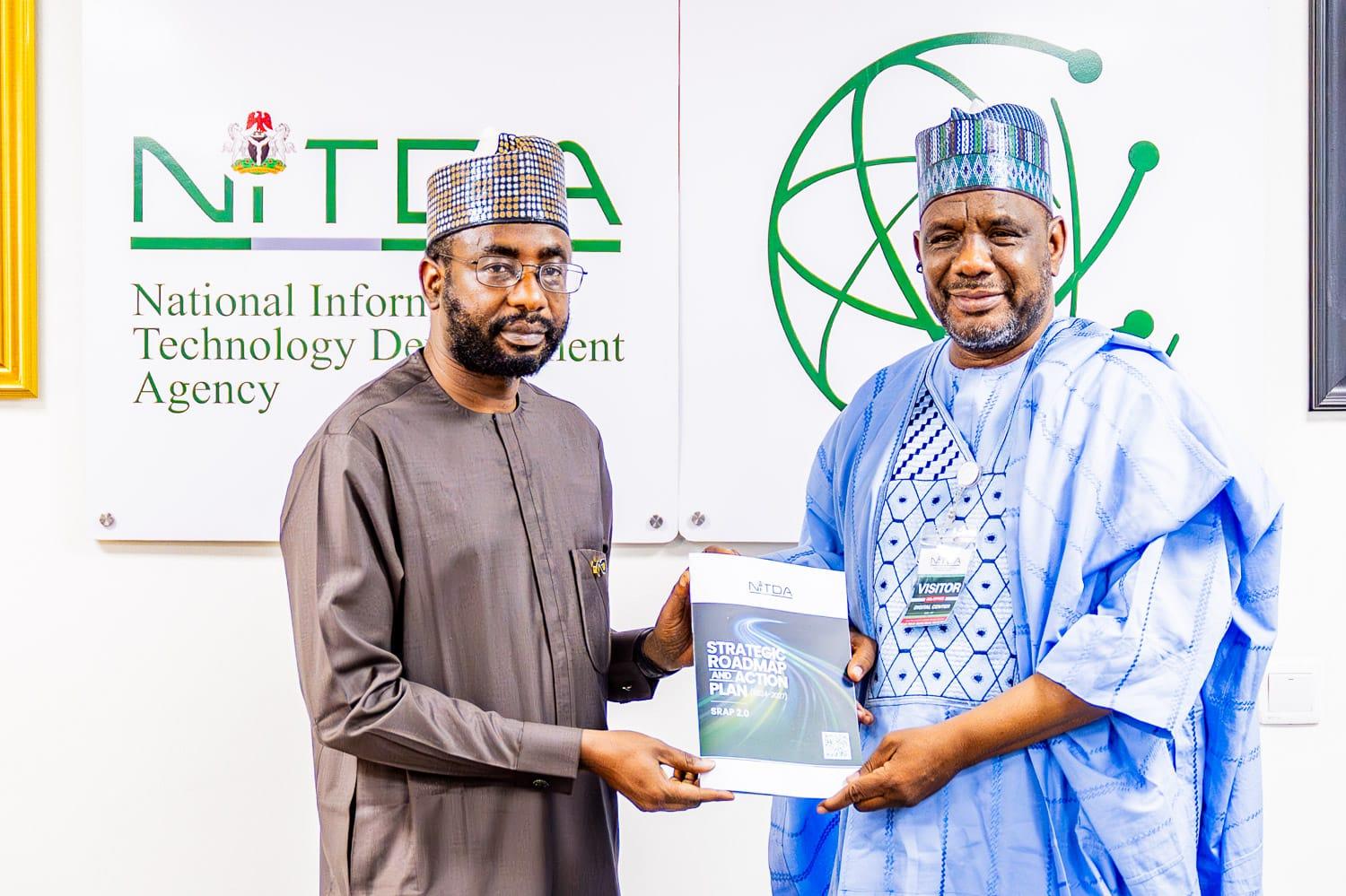
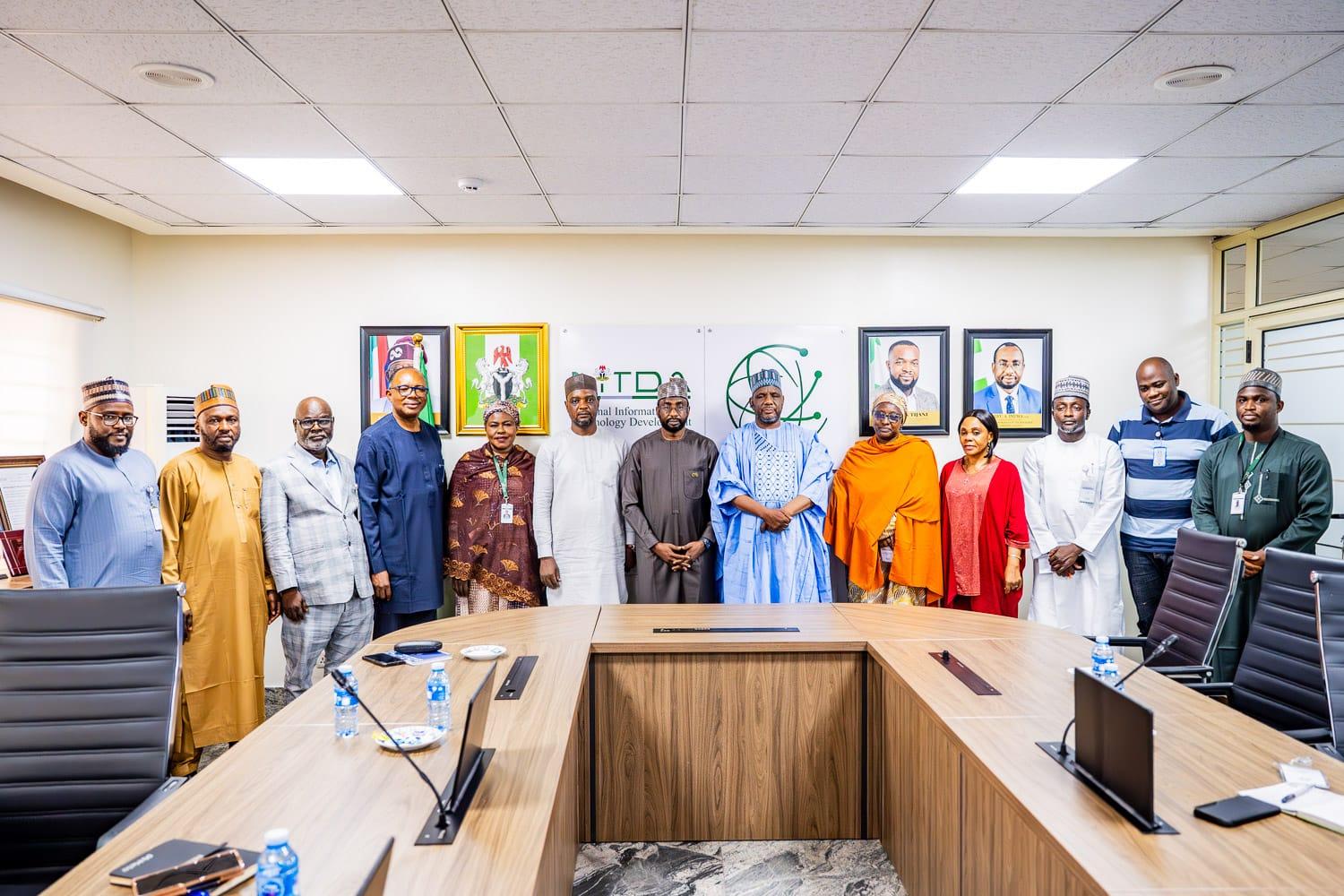
That was the focus of a conversation led by the Director General of the National Information Technology Development Agency, Kashifu Inuwa, during a meeting with the National Commission for Almajiri and Out-of-School Children’s Education in Abuja.
The discussion was not framed around theory, but around a practical question: how Nigeria can turn its population into a workforce the global economy actually needs.
Inuwa pointed to a shift that is already underway worldwide. As many developed economies deal with ageing populations and shrinking labour pools, demand for technical and digital skills is expected to outpace supply by 2030. This creates an opening for countries that are able to prepare their people in time.
“With the right investments in education and digital skills, Nigeria can transform its demographic advantage into a powerful engine for economic growth and global relevance,” he said.
That statement carries weight because it reframes a familiar issue. Population growth is often discussed as a burden on resources, yet in this context, it becomes an opportunity. The difference lies in whether that population is equipped with skills that can compete globally.
Inuwa stressed that Nigeria has the potential to move beyond being a consumer of global technology to becoming a source of talent. In that model, the country would not only meet local needs but also supply skilled professionals to international markets.
He also addressed the ongoing conversation around migration, noting that Nigerians in the diaspora continue to contribute significantly through remittances and knowledge transfer.
Drawing a comparison with India, he highlighted how sustained investment in education and skills development enabled the country to build a strong global presence in technology. According to him, the success did not happen by chance but through deliberate planning and consistent execution.
The conversation became more urgent when attention turned to Nigeria’s out-of-school population. Millions of young people remain outside formal education systems, a reality that continues to raise concerns across sectors.
However, Inuwa argued that this challenge could also become an opportunity if approached differently.
He explained that equipping underserved populations with digital skills would not only improve individual livelihoods but also help close the global talent gap. In practical terms, this means bringing learning closer to communities that are often excluded from traditional systems.
At the centre of this effort is the National Digital Literacy Framework, which targets 95 percent digital literacy by 2030. The framework focuses on essential areas such as device use, information literacy, content creation, online safety and problem-solving, all of which are designed to prepare individuals for participation in a digital economy.
To support implementation, NITDA has introduced the Digital Literacy for All initiative, which extends beyond schools to include workers and participants in the informal sector.
The approach recognises that a large portion of Nigeria’s economic activity takes place outside formal structures, making inclusion critical to any meaningful progress.
Inuwa also highlighted the practical impact of digital skills across sectors. He noted that farmers can improve productivity through access to data and digital tools, while small-scale traders can expand their businesses through online platforms. These examples, he explained, show how digital literacy translates into real economic outcomes.
The partnership with the Almajiri Commission introduces another layer to the strategy. NITDA plans to support the establishment of digital learning centres, develop training programmes in local languages and deploy instructors to Almajiri schools across the country. The aim is to ensure that access to digital education is not limited by geography or background.
Earlier, the Executive Secretary of the Commission, Muhammad Sani Idris, described the situation as both urgent and complex. He noted that the traditional Almajiri system, originally designed for Qur’anic education, has weakened over time, leaving many children without adequate care or support.
He expressed concern about the growing number of out-of-school children, pointing out that many are sent far from home and exposed to difficult conditions. According to him, addressing the issue requires coordinated action across government institutions, communities and development partners.
Idris welcomed the partnership with NITDA, describing digital literacy efforts as essential to expanding access to education and improving outcomes for children who are currently underserved.
The direction of the conversation reflects a broader shift in how Nigeria is approaching development. Instead of focusing only on infrastructure and policy, there is increasing attention on people and the systems that prepare them.
The question now is not whether Nigeria has the numbers. It is whether those numbers will be equipped to compete in a world where skills, not just population, determine relevance.