
The Federal Government has stepped up diplomatic pressure on South Africa, demanding accountability over the deaths of two Nigerians and rising anti-foreigner hostility, warning that the situation could strain bilateral relations and endanger its citizens.
The position was made known after Nigeria summoned South Africa’s Acting High Commissioner, Lesoli Machele, for a meeting in Abuja with the Permanent Secretary of the Ministry of Foreign Affairs, Ambassador Dunoma Ahmed.
In a statement issued by the ministry’s spokesperson, Kimiebi Ebienfa, the government highlighted the deaths of two Nigerians — Nnaemeka Matthew Andrew Ekpeyong and Kelvin Chidiebere Amaramiro — both allegedly linked to actions of South African security personnel.
“It was reported that on 21 April 2026, Nnaemeka Matthew Andrew Ekpeyong died while in the custody of the Tshwane Metro Police Department.
“Before his death, he reportedly sustained injuries attributed to personnel of the South African National Defence Force,” the ministry stated.
The statement added that “Reports further indicate that a search of his residence yielded no incriminating evidence.
“The circumstances of his detention and death have raised concerns regarding the conduct of the security personnel involved.”
On the second incident, the government noted, “On 25 April 2026, Kelvin Chidiebere Amaramiro died at Livingstone Hospital in the Eastern Cape following an alleged assault by SANDF personnel.”
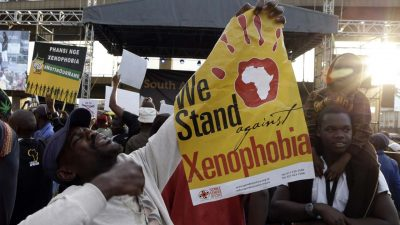
Beyond the fatalities, Nigeria also condemned what it described as growing anti-foreigner sentiment across parts of South Africa.
“The Government of Nigeria notes with concern the ongoing protests in some parts of South Africa, requesting foreigners, especially blacks, to leave the country,” the statement read, adding that “Some of the videos of the violent protests are very disturbing.”
Officials further raised concerns about the role of certain groups and individuals in fueling tensions.
“The Government of Nigeria expressed strong concern over reported threats against foreign nationals in South Africa, including those attributed to a group reportedly led by Jacinta Zuma, and other groups such as Operation Dudula and emphasised the need for proactive measures to prevent incitement, intimidation, or violence,” the statement read.
Nigeria insisted on full transparency in the investigation of the deaths and demanded cooperation from South African authorities.
“We therefore request thorough and impartial investigations into both deaths, including prompt sharing of preliminary findings and regular updates with the Government of Nigeria,” the ministry stated.
It also called for “full cooperation in providing autopsy reports, post-mortem documentation, and relevant case files, and in facilitating access to legal processes for the families of the deceased.
“As a precautionary measure, Nigeria emphasises the need for accountability where wrongdoing is established, including appropriate disciplinary and prosecutorial action against implicated personnel.”
The Federal Government further urged South Africa to ensure the safety of Nigerians living within its borders, calling for stricter adherence to due process and professional conduct by security agencies.
Nigeria specifically demanded “clear directives against profiling, adherence to due process during arrests and detention, and strict enforcement of professional conduct standards by relevant agencies.”
While acknowledging public condemnations of violence by South African leaders, the government stressed that such statements must be backed by concrete action.
Diplomatic engagement between both countries has intensified, with the Minister of Foreign Affairs, Bianca Odumegwu-Ojukwu, already holding discussions with her South African counterpart to address the situation.
Despite rising anger among Nigerians, the government called for restraint and calm.
“Finally, the ministry called on the South African Government to implement decisive steps to prevent further violence against Nigerians, rebuild confidence within the Nigerian community, and ensure Nigerians can live in South Africa safely and with dignity.
“On the issue of growing discontent on the part of Nigerians over the unacceptable treatment of Nigerians, the ministry is aware of the protest by a small group of Nigerians at the South African High Commission in Abuja on Friday, but calls for calm and any attempt by individuals or groups to take the law into their own hands.
“Government is engaging the South African authorities at the highest level to address the concerns raised regarding the protection of Nigerians,” the statement added.
Responding to Nigeria’s concerns, Machele assured that Pretoria would be briefed accordingly, reiterating that the protests do not reflect official government policy and that steps would be taken “to ensure continuous peaceful relations between both countries.”