


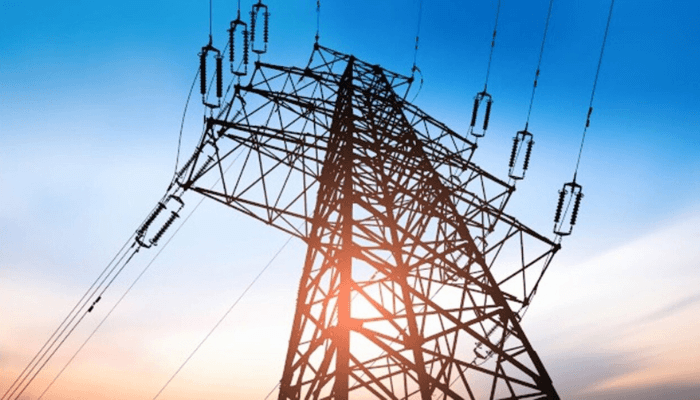
The Nigerian Independent System Operator (NISO) has explained that recent reductions in electricity allocations to some Distribution Companies were triggered by transmission network failures rather than inadequate power generation.
The affected areas include the Lagos, Abuja and northern corridors, where several critical transmission lines suffered outages, limiting the amount of electricity that could be safely wheeled to consumers.
NISO said the outages required adjustments to generation dispatch and allocations to DisCos as part of efforts to keep the national grid within safe operating limits and avert a broader system disturbance.
The clarification was contained in a statement signed by the management of the system operator on Sunday and titled, “Clarification on Recent Changes in Power Allocations Following Transmission Line Outages.”
The statement followed concerns over recent fluctuations in the volume of electricity allocated to DisCos in different parts of the country.
NISO said, “The Nigerian Independent System Operator wishes to provide clarifications on the recent changes in power allocations to Distribution Companies serving the Lagos, Abuja and Northern corridors. The changes in allocations occurred due to multiple transmission line outages that affected available transmission capacity and configuration of the network at different times. Adjustments were made in the course of normal system operations to ensure that the interconnected network remained within secure operating limits.
“The availability of generation does not, by itself, guarantee that the available power can be delivered to a particular load centre. Power transfer is dependent on the availability and capacity of transmission infrastructure and the prevailing configuration of the network.”
The operator, which oversees the real-time monitoring, coordination, control and dispatch of the interconnected Nigerian Electricity Supply Industry, said electricity allocations were determined after continuous assessment of the transmission network.
According to NISO, the Lagos corridor experienced a series of outages affecting major 330kV transmission lines, including the Olorunsogo-Ayede 330kV Line 1, Benin-Egbin 330kV Line 1 and Benin-Omotosho 330kV Line 1.
The Osogbo-Ikeja West circuit also remained unavailable for an extended period.
NISO said the combined loss of the transmission circuits reduced the quantity of electricity that could be safely transferred into Lagos.
Consequently, allocations to Eko Electricity Distribution Company, Ikeja Electric and the Sakete international supply were reviewed and curtailed in line with the prevailing network configuration and system security requirements.
The northern part of the country also recorded significant transmission constraints.
NISO said the Shiroro-Mararaba 330kV Line 1 tripped between August 24 and 26, affecting power allocations to Abuja and northern areas as the remaining transmission circuit was forced to carry the load.
The situation deteriorated at 6:47am on August 27 when the Shiroro-Mando 330kV Line 2 and Mando-Jos 330kV Line 1 tripped simultaneously.
NISO said this left the Mando-Jos circuit as the only available transmission route supplying Jos and the North-East, while the Apir-Lafia 330kV Lines 1 and 2 had already been unavailable for an extended period because of faults.
The simultaneous failures substantially reduced transmission capacity to Jos and the North-East and changed the network configuration after the bus at the Mando Transmission Substation became separated.
To maintain grid stability, NISO said it subsequently revised and curtailed electricity allocations to Kano, Kaduna, Jos, Yola and other affected locations.
The Abuja corridor was also hit by transmission problems on August 29, when the Shiroro-Katampe 330kV Line 1 and Gwagwalada-Katampe 330kV Line 1 tripped at the same time at 3:55am.
Both circuits were restored later that morning, with the Shiroro-Katampe line returning to service at 7:25am and the Gwagwalada-Katampe circuit restored at 7:20am.
NISO said the incidents underscored the interconnected nature of Nigeria’s electricity network, noting that a fault affecting one major transmission circuit could have consequences for electricity supply in distant locations.
It stated, “Generation availability does not automatically translate into deliverable power to Distribution Companies. Adequate transmission capacity and a secure network configuration are equally essential.”
The operator explained that when transmission limitations make it unsafe to move available generation to particular areas, it may have to redistribute generation, reduce load temporarily or adjust allocations to DisCos.
It said, “Accordingly, the recent changes in power allocations resulted from transmission line outages, constrained transmission capacity and system configuration prevailing at the respective times, rather than being attributed to generation availability.”

















 has explained that recent reductions in electricity allocations to some Distribution)