



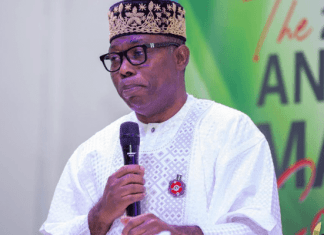
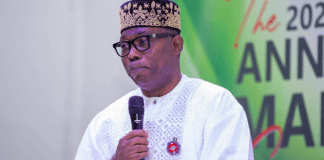
Nigeria’s Minister of Defence, Gen. Christopher Musa (retd.), on Sunday, disclosed that he was among those marked for arrest or assassination in the recently foiled coup attempt against President Bola Tinubu’s administration.
Speaking on Channels Television’s Politics Today, Musa explained that the conspirators planned to detain him and shoot if he resisted. He described the suspects as “a bunch of very unserious individuals” who underestimated the strength of Nigeria’s democracy and armed forces.
Musa, who played a key role in helping security agencies thwart the plot, said the plan was largely driven by personal grievances. He noted that the alleged ringleader, a disgruntled colonel, attempted to recruit others after failing to meet promotion requirements.
“My pain is for the young officers who didn’t understand what was going on but were dragged into this mess. Now they must face the consequences,” he said.
The Defence Minister stressed that coups are impossible in modern-day Nigeria, pointing out that past military takeovers only succeeded with the support of senior commanders, a factor absent in this case. He added that Nigerians themselves would have resisted any attempt to truncate democracy, recalling the country’s long struggle against military rule.
Musa confirmed that most of the suspects had been apprehended, with only a few still at large. He emphasized that the investigation was thorough and involved multiple intelligence agencies, including the DIA, NIA, and DSS, to ensure no innocent officers were wrongly implicated.
He dismissed claims that dissatisfaction with the current administration motivated the plot, insisting it was conceived even before Tinubu’s inauguration.
The revelation comes amid reports linking former Bayelsa State Governor, Timipre Sylva, to ongoing investigations. Sylva, who has been declared wanted by the EFCC over alleged fraud, may face arraignment in absentia as international agencies track his movements.
Musa concluded that any attempt to overthrow Nigeria’s democratic government is misguided, stressing that the country’s institutions and citizens remain firmly opposed to such actions.













, on Sunday, disclosed that he was among those marked for arrest or assassination)