


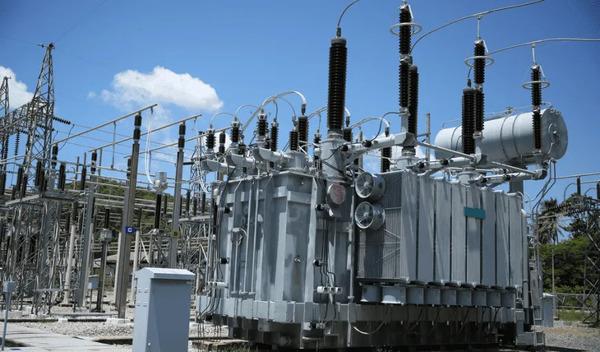
The Transmission Company of Nigeria (TCN) says work has commenced for the reconstruction and upgrade of the 138km Alaoji–Onitsha 330 kilovolt (kV) transmission line.
According to a statement from the company released on Monday, the project is being carried out in partnership with the African Development Bank (AfDB).
The company said the initial work includes implementation of a resettlement action plan (RAP), and the acquisition and clearing of right of way (RoW).
TCN said the exercise will upgrade the existing single-circuit line to a 330kV double-circuit quad-conductor transmission line.
The company said compensation was paid to project affected persons (PAPs) between March 31 and April 2, 2026, across Abia and Imo states, covering eight local government areas along the transmission corridor.
Speaking on the development, Aromeh Adole, assistant general manager (health, safety and environment) for the AfDB project implementation unit, said affected residents have been given a 90-day grace period to vacate the RoW following compensation.
He added that the project is expected to be completed within 18 months.
Also speaking, Edeh Alexander, acting project manager for the Nigeria Transmission Expansion Project (NTEP-1), commended President Bola Tinubu for the release of funds for the project.
Alexander, who represented Aminu Tahir, general manager of programme coordination, said the federal government provided counterpart funding to ensure timely and fair compensation for affected persons.
He also lauded Sule Abdulaziz, managing director of TCN, for providing leadership that enabled progress on the project.
According to Alexander, the upgrade will significantly increase the volume of electricity transmitted to the Alaoji and Port Harcourt axes, Abia state, and the wider south-east region.
He added that the transition to double-circuit quad conductors will reduce transmission losses and improve grid reliability.
TCN said the project is part of its broader strategy to expand the national grid and improve power supply to industrial and residential hubs across the country.























 says work has commenced for the reconstruction and upgrade of the 138km Alaoji–Onitsha)