
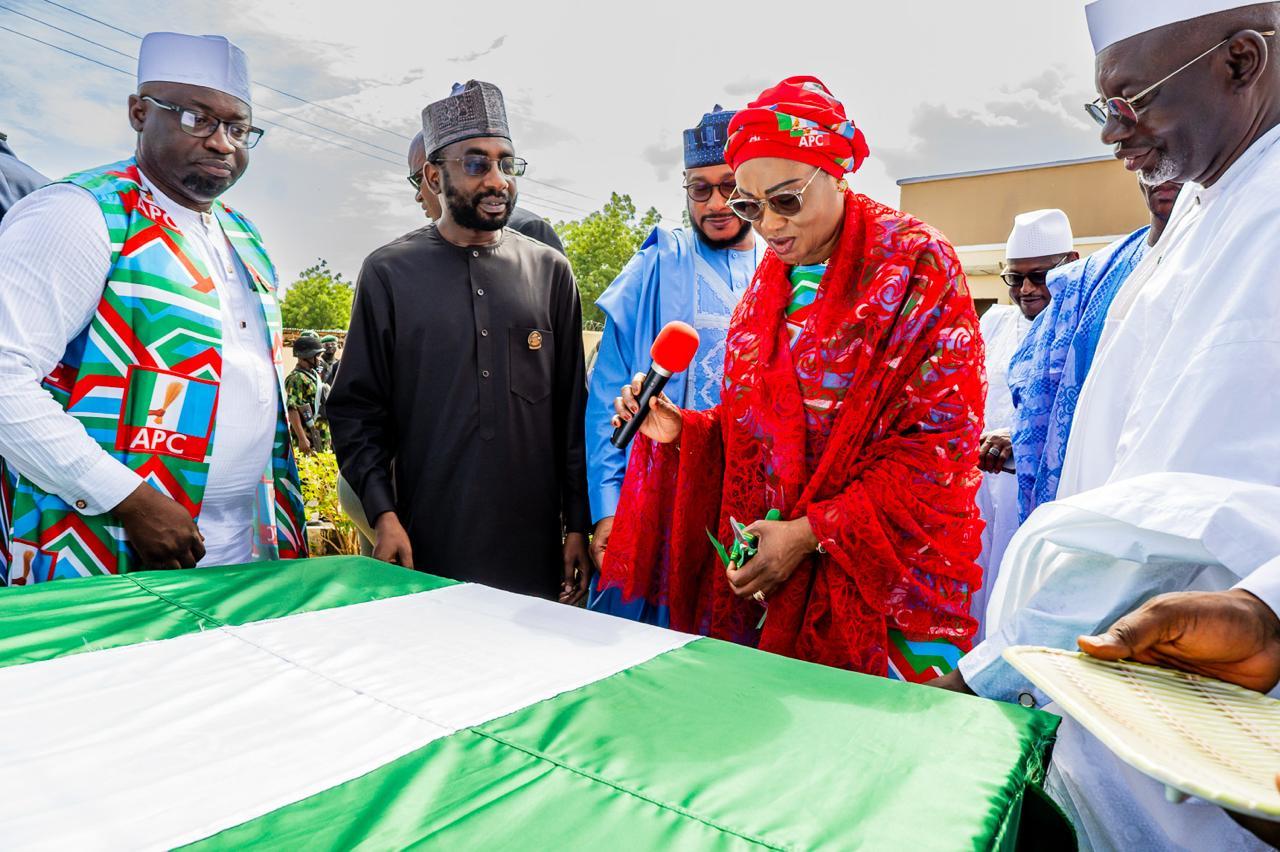
Nigeria’s First Lady, Senator Oluremi Tinubu, on Monday commissioned the President Bola Ahmed Tinubu Academy, alongside a modern clinic and dialysis centre in Hadejia, Jigawa State, as part of efforts aimed at expanding access to healthcare, promoting technology-driven education, and strengthening food security.
Speaking during the ceremony, the First Lady described the projects as tangible evidence of the Federal Government’s commitment to improving public infrastructure, investing in education, and expanding quality healthcare services for Nigerians.
She said the newly commissioned Senator Oluremi Tinubu Clinic and Dialysis Centre would provide life-saving healthcare services to residents of Hadejia and neighbouring communities, particularly patients requiring specialised kidney care.
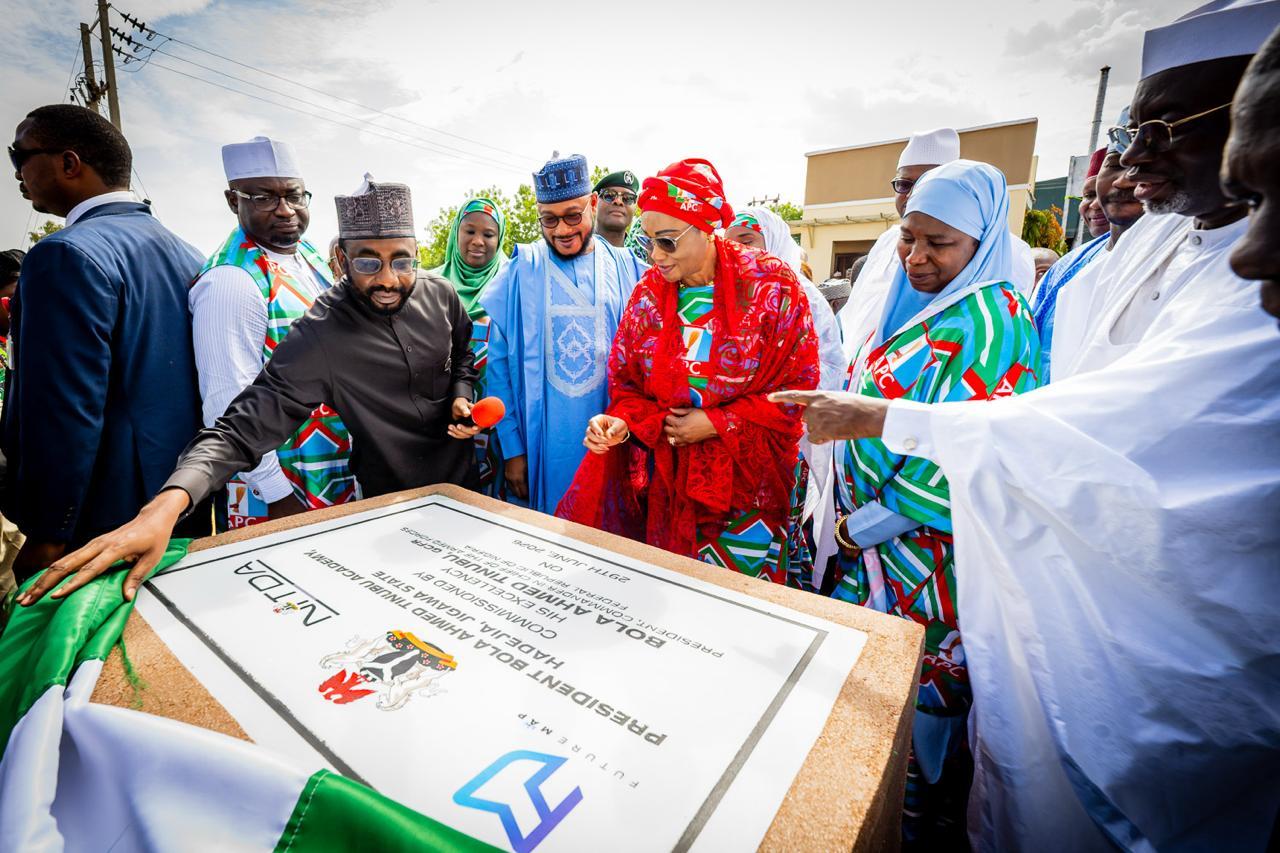
“The projects are clear evidence of the government’s commitment to improving infrastructure, expanding access to quality healthcare, and investing in the future of our young people,” she said.
Senator Tinubu noted that the President Bola Ahmed Tinubu Academy reflects President Bola Tinubu’s commitment to human capital development and educational excellence, adding that investment in education remains critical to securing Nigeria’s future.
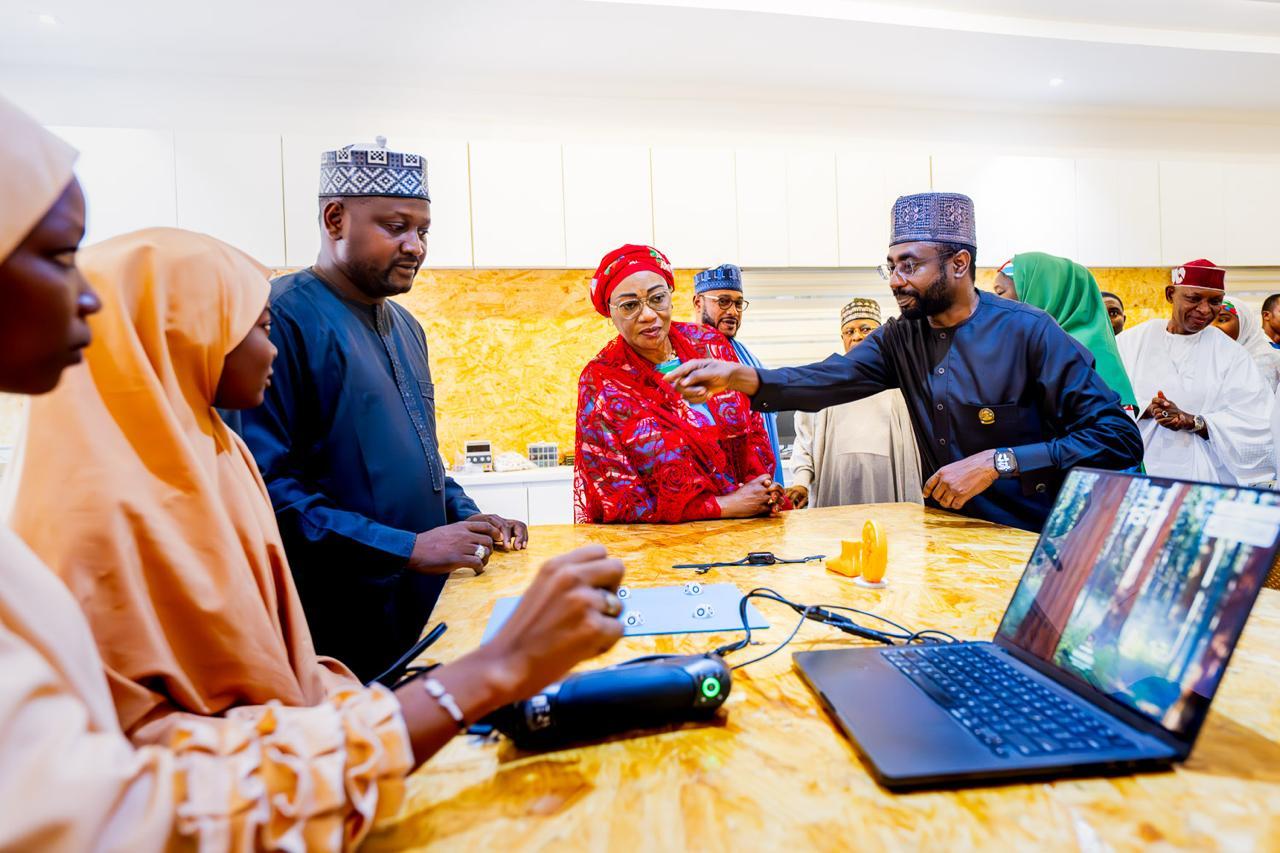
The academy, established with the support of the National Information Technology Development Agency (NITDA), is equipped with modern digital learning facilities, including a fabrication laboratory, innovation hub, maker space, AI-powered learning systems, and research facilities designed to promote technological innovation and entrepreneurship.
According to project promoters, the academy will work in synergy with the adjoining clinic by developing medical technologies and research prototypes, including body organ models, to support research, early diagnosis, and the prevention of chronic diseases, particularly kidney-related illnesses.
The healthcare facility, built and equipped by FutureMap Foundation in partnership with eHealth Africa, features a dialysis centre, operating theatre, maternity wards, continuous piped oxygen systems, and renewable energy infrastructure to ensure uninterrupted medical services.
During the event, the First Lady also launched the National Community Food Bank Programme for the North-West geopolitical zone, describing the initiative as a sustainable intervention to tackle food insecurity and malnutrition among vulnerable households.
She explained that the programme targets children under six years of age, pregnant women, and nursing mothers, and aligns with President Tinubu’s Renewed Hope Agenda on food security and improved healthcare outcomes.
The initiative is being implemented through a partnership involving the Office of the First Lady, the Federal Ministry of Health and Social Welfare, the National Primary Health Care Development Agency (NPHCDA), and the Bank of Agriculture.
Senator Tinubu disclosed that following the inauguration of the National Community Food Trust Fund Board in Abuja in April, the first phase of the programme was launched in Borno State for the North-East, while Jigawa hosts the second rollout for the North-West.
She revealed that the Borno pilot had enrolled 560 beneficiaries and provided nutritional support to 468 vulnerable children, pregnant women, and lactating mothers within two months, expressing confidence that Jigawa would build on the early success.
Governor Umar Namadi of Jigawa State described the food bank initiative as a timely intervention that would improve nutrition among vulnerable populations while complementing the state’s existing food and nutrition programmes.
He said the programme reinforces the constitutional responsibility of government to ensure adequate food for citizens and pledged the support of North-West governors in providing storage, distribution facilities, and accountability mechanisms to guarantee effective implementation.
Governor Namadi also highlighted Jigawa’s achievements in combating child malnutrition, noting that the state’s homegrown nutrition programme screened more than 382,000 children in 2025 and successfully improved the nutritional status of thousands of beneficiaries.
The commissioning comes days after President Bola Tinubu approved the establishment of the National Health Technology and Data Analytics Office, an initiative expected to strengthen medical research, digital health innovation, and data-driven healthcare delivery across the country.
The event attracted governors from the seven North-West states and their spouses, ministers, senior federal and state government officials, traditional rulers, and development partners, including the Director-General of NITDA, Kashifu Inuwa, and the Director-General of the National Primary Health Care Development Agency, Dr. Muyi Aina.