
The biggest risk in today’s digital world is no longer just the code. It is the person behind the screen.
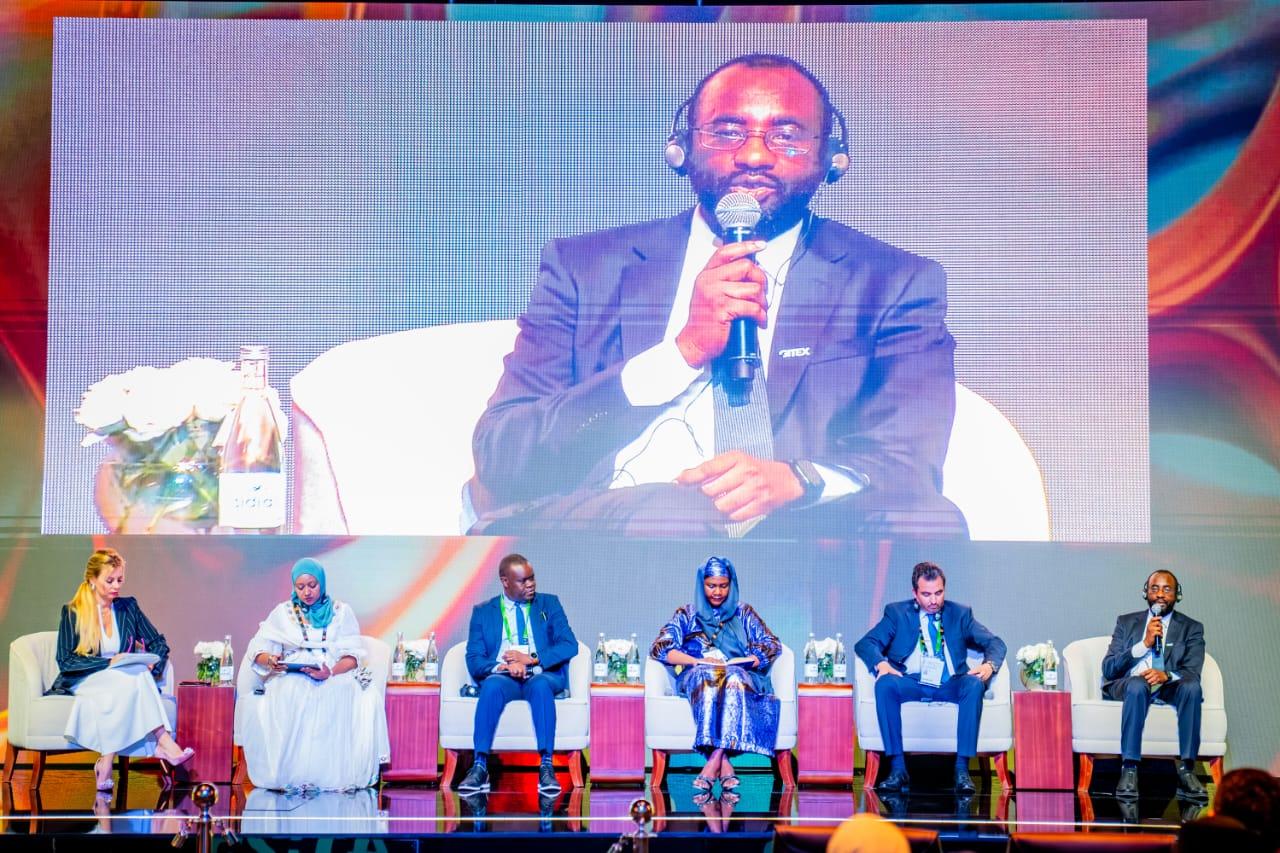
At GITEX Africa 2026, the Director General of the National Information Technology Development Agency, Kashifu Inuwa, pushed a message that cuts through the noise around cybersecurity tools and software.
Nigeria’s real defence, he said, will depend on how well people are prepared, not just how advanced the technology is.
Speaking during a panel on cyber resilience, Inuwa described the current digital landscape as a turning point. Artificial intelligence (AI) is no longer only improving systems. It is also making cyber threats faster, harder to detect and more damaging when they succeed.
“Cybersecurity is no longer just a technical issue. It is a strategic imperative for national development,” he said. “We must think beyond technology alone and build resilience through people, processes, regulations and infrastructure.”
That shift in thinking is already shaping Nigeria’s strategy.
For years, cybersecurity has been treated largely as an IT problem, something handled by specialists in the background.
However, the scale and nature of recent attacks are forcing a different approach. According to Inuwa, most breaches today do not start with complex hacks. They start with simple human errors; a weak password, and careless click in moment of inattention.
“The most sophisticated technology cannot protect us if the human element is overlooked,” he said.
This is where the idea of “total resilience” comes in. Instead of relying only on software, Nigeria is working toward a model where every user becomes part of the defence system.
Inuwa described it as turning citizens into the first line of protection in an environment where AI driven attacks are becoming more common.
To support that, the government is scaling its digital literacy efforts. Nigeria is targeting 95 percent digital literacy by 2030, with a 70 percent milestone by 2027.
These programmes are not limited to basic digital skills. They include cybersecurity awareness, safe online behaviour and the ability to recognise threats before they escalate.
At the same time, talent development is being treated as a long term security investment. Through initiatives like the 3 Million Tech Talent programme, young Nigerians are being trained in areas such as cybersecurity, data science and artificial intelligence.
The aim is to build local expertise that can both defend systems and create new solutions.
“We want to create an environment where young Nigerians are innovators, not just consumers of technology,” Inuwa said.
However, skills alone are not enough without structure.
Nigeria is also updating its legal and operational frameworks to match the speed of change in the digital space. The Cybercrime Act is under review, while national cybersecurity operations now include round the clock monitoring, real time alerts and the use of advanced tools such as AI driven threat detection and dark web surveillance.
These systems are coordinated through the Office of the National Security Adviser, with collaboration across government institutions and private sector partners.
Even then, Inuwa was clear that no single institution can secure the digital space on its own.
“Cyber resilience is not a solo effort. It is a collective responsibility,” he said.
That point may be the most important takeaway.
As Nigeria builds a digital economy that touches finance, education, governance and everyday life, the risks are expanding alongside the opportunities. The response, therefore, cannot sit with experts alone. It has to be shared.
What is changing now is not just the tools Nigeria is using to fight cyber threats. It is the mindset behind them.
From systems that react, to systems that prepare.
From technology first, to people included.
In a world where threats are getting smarter, resilience is no longer about having the best software.
It is rather having people who know what to do when it matters most.